
Sister Robert Ann Hecker will be returning to her Franciscan Sisters of Perpetual Help motherhouse in St. Louis in May 2026, after spending 40 years at St. Joseph Church on the Mescalero Apache Reservation in the Diocese of Las Cruces, New Mexico. She admits she will shed more than a few tears.
Growing up in Ohio and Kentucky as a child, she had never met a Native American in her life. It wasn’t until years later as a religious sister that she was invited to visit St. Joseph located on the Mescalero Apache reservation, where later she would accept a position as a young pastoral assistant in the mid-1980s. She has remained ever since.
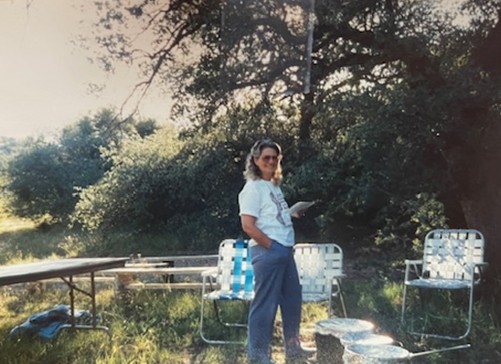
“I felt called to work with native people and I learned a lot during those first years here.” She added, “I think I fell in love with native people and, I learned from my experience here in Mescalero.”
Catholic Extension Society has been honored to support her ministry, where in recent years, she has provided spiritual care, religious formation and social outreach to the Mescalero Apache people.
Beautiful people
Sister Robert Ann confesses that she feels that she has gained more from the people than she has given.
She says,
One of the strongest things I feel about the Apache people, and not just the Apache people, native people, is their generosity, and their spirit.”
When she arrived four decades ago, the people immediately dispelled what she now deems as her own silly, pre-existing stereotypes about native peoples. She feared as a young sister that she would encounter stoic people. In fact, she noted, that what she has come to love most about the Mescalero Apache is their hospitality, warmth, and generosity.
“They’re very giving, they’re very generous. They struggle a lot. They still deal with the trauma that their grandparents, great-grandparents went through. It’s historical trauma. They have to deal with a lot of that, but I find them to be loving and giving and very generous people.”
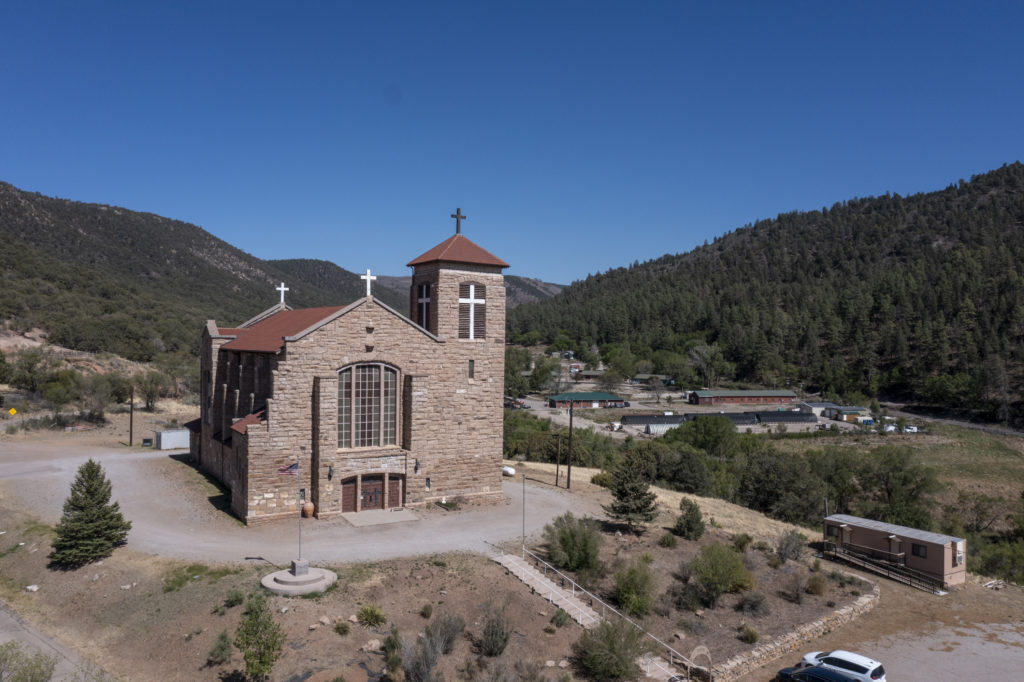
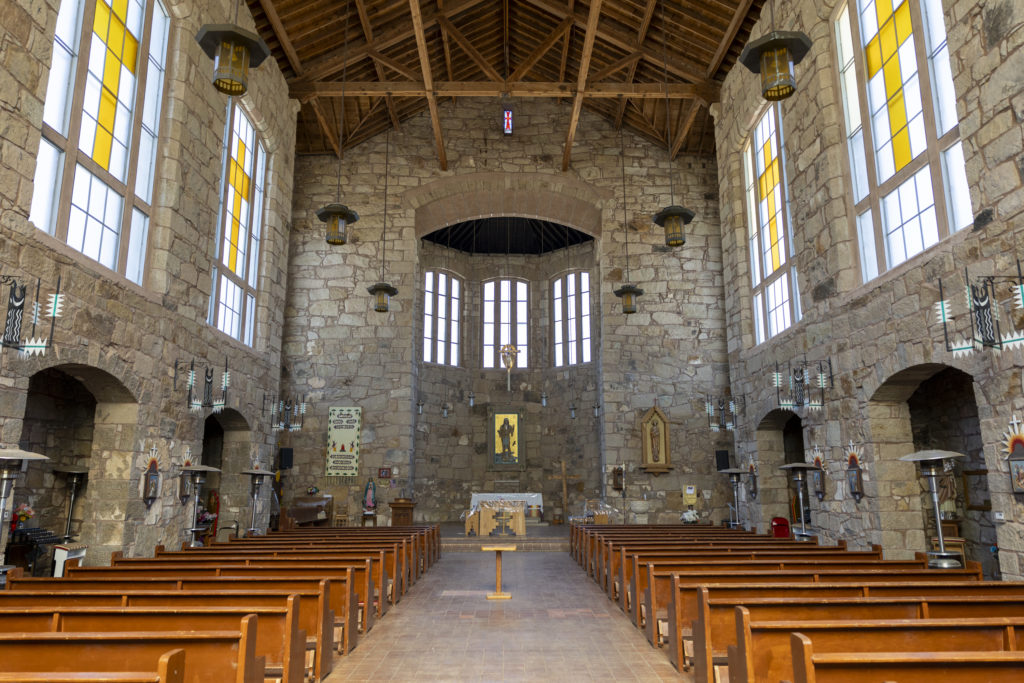
St. Joseph is an exquisitely beautiful historical church, built with Catholic Extension Society’s support a century ago, under the leadership of its founding pastor, Father Albert Braun, a Franciscan missionary. Its thick granite walls rise 90 feet from the picturesque hillside in these sacred ancestral lands.
Inculturated spirituality
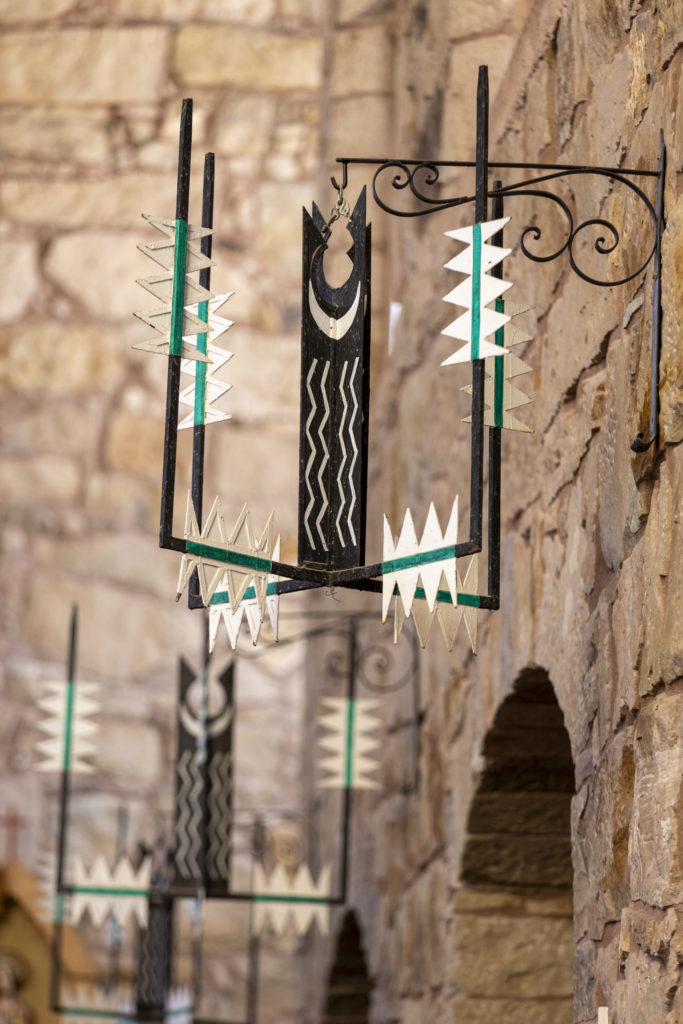
The interior of the church is adorned with images and iconography which give witness to the beauty of the Mescalero Apache, who are named for the “Mescal” plant which is a traditional source of food for this once-hunter and gatherer people. The Stations of the Cross are adorned with the crowns of Apache spiritual dancers, who are symbols of prayer and blessing.
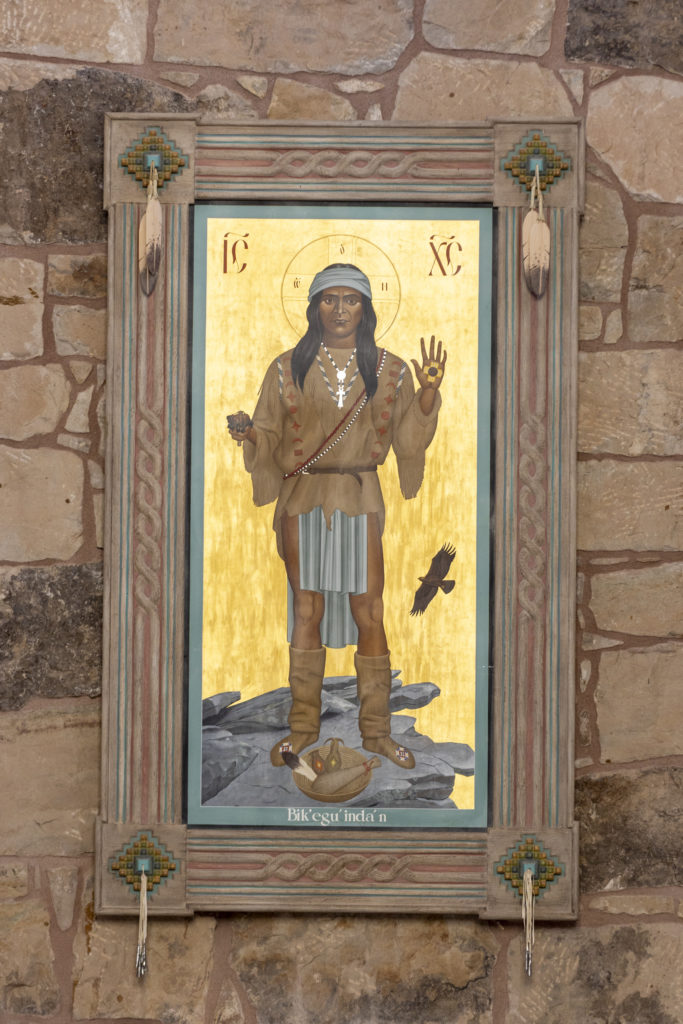
At the center of the sanctuary is the icon of the Apache Christ, dressed as a medicine man. The icon of Christ the Apache affirms the people’s identity as beloved sons and daughters of God.
Sister Robert Ann explained that while the Apache Christ is the main figure, the icon is really a representation of the entire Holy Trinity. Its gold backdrop represents God the Father, and the eagle (a sacred symbol to native people because it flies the highest and closest to the creator), represents the Holy Spirit.
She believes that the Apache were primed to receive the Gospel, given that their traditional spirituality has so much in common with Christian beliefs, including the creation story.
God saw it was good
Just like in the Book of Genesis, the Apache people have always recognized that the Divine Creator, whom they call “Ussen,” made everything good. According to the creation narrative as retold by the late Apache Medicine Man Bernard the Second, God made the Sun and Mother Earth, and then he formed his people, upon their creation: “We looked around and we saw all that was around us, in beauty and in goodness.”
When Sister Robert Ann looks around she too sees beauty and goodness.
While her time with the Apache people is coming to an end, the goodness of their spirit and the beauty of their generosity and friendship will always remain with her.
She reflected, “It’s not easy for me to leave. It’ll be very difficult, but, ‘Here I am, Lord, I come to do your will.’ Since I took my final vows, that has been my mantra.”
Catholic Extension Society works in solidarity with people to build up vibrant and transformative Catholic faith communities among the poor in the poorest regions of America. Support our mission!