
Juneteenth is still a relatively new federal holiday, having been made official in 2021, and perhaps many people are searching for the proper way to honor this day that marks the end of slavery in the U.S. We have cemetery visits and parades on Memorial Day, and opportunities for acts of service on Martin Luther King Jr. Day. What can we do on Juneteenth other than enjoy the summer sunshine?
Perhaps one of the simplest things we can do as Catholics is to familiarize ourselves with the remarkable stories of freed Catholic slaves and their descendants, who arguably fought harder than anyone ever has in this country to keep their faith.
Slaves and their descendants developed a deep Christian spirituality, captured in song and shared through story, about a God that suffers alongside His people, but ultimately desires their deliverance. Many Catholics were among these emancipated Christians, and their stories of newfound freedom in this country include astounding fidelity to the Church, even when the opportunities to practice their Catholic faith were limited.
Catholic churches for freed slaves
Seeing the great pastoral need for freed slaves, religious communities like St. Joseph’s Society of the Sacred heart—better known as the Josephites—sent clergy and built churches for these Catholic families, allowing them to worship free of prejudice, as described in this article.
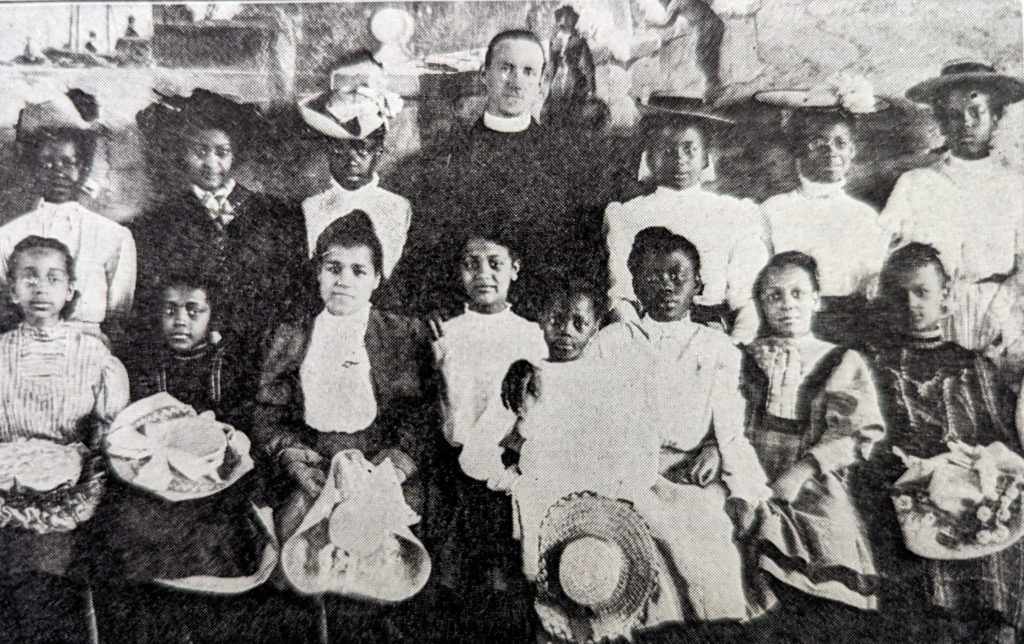
Thanks to these interventions, the Catholic faith remains strong in many Black communities in places like Mississippi and Alabama.
But keeping the Catholic faith also required immense tenacity among the freed slaves themselves, especially in situations where there were no clergy or dedicated churches for them to worship.
Such was the case at St. James the Greater Mission in rural South Carolina, which is celebrating its 200th anniversary as a parish later this year.
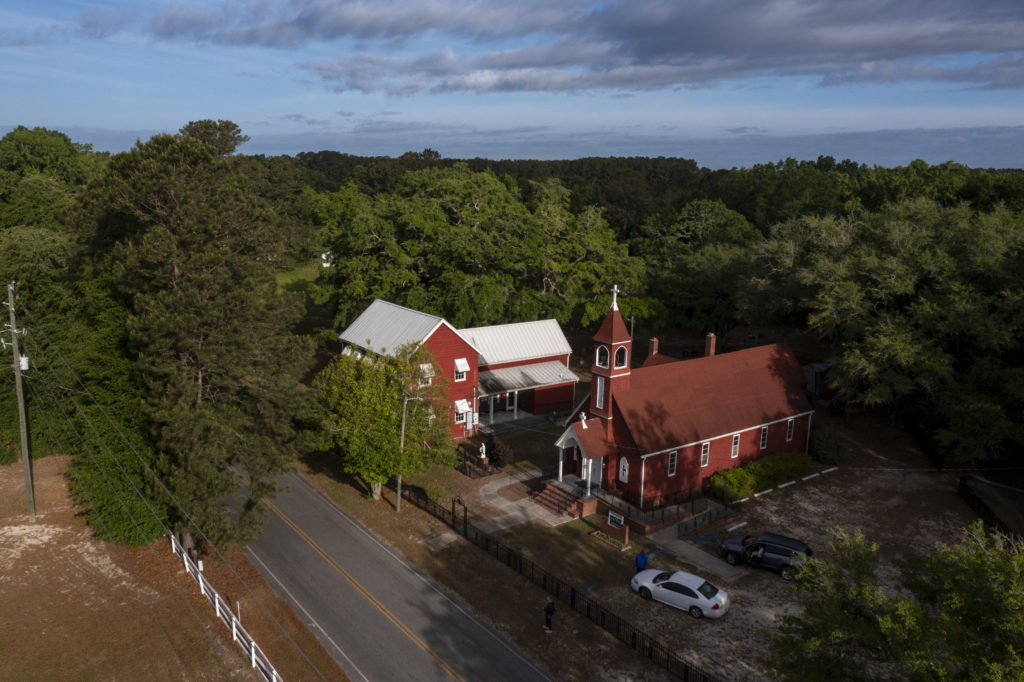
At its founding, the congregation included both slaves and white plantation owners.
The church burned down in 1856, and the ensuing chaos in the aftermath of the Civil War left the community without a priest. Despite losing both their church and Catholic clergy for 40 years, this small community of freed Black Catholics never abandoned their faith.
In 1897, the community was finally able to build and worship in a new church.
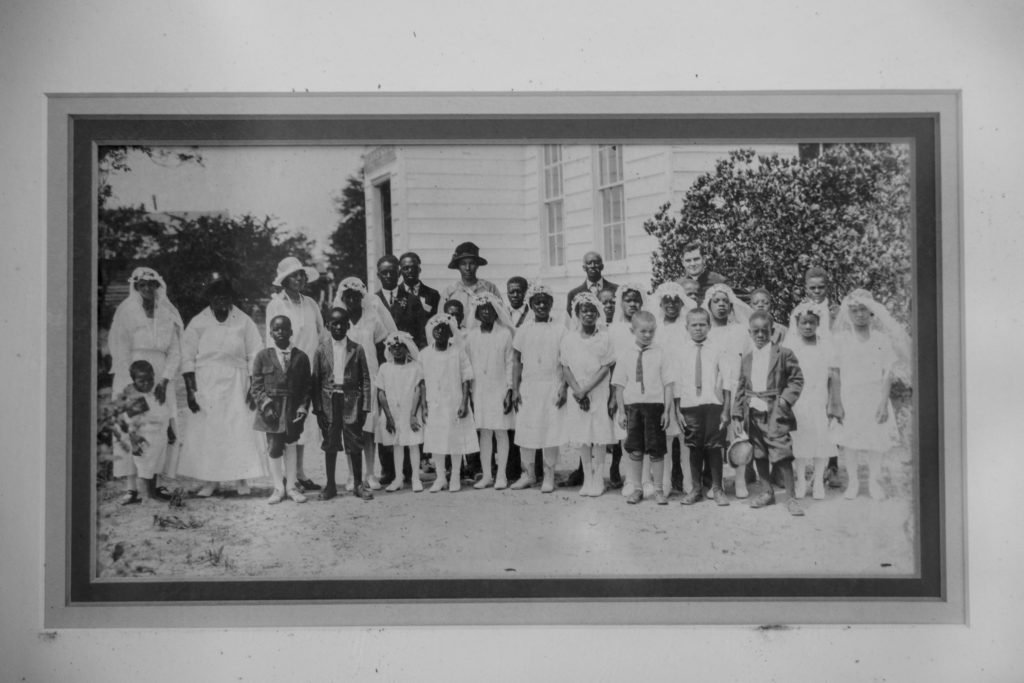
Local tradition credits a former slave, Vincent of Paul Davis, with the preservation of the Catholic faith in the area. Today, his descendants are members of the parish.
This small community of freed Black Catholics is known as “Catholic Hill.”

Catholic Extension Society has supported this parish several times over the years. St. James the Greater remains a tight-knit community that never forgets their roots.
Nearly 50 miles away, St. Patrick’s is another witness to Black Catholic perseverance in South Carolina.
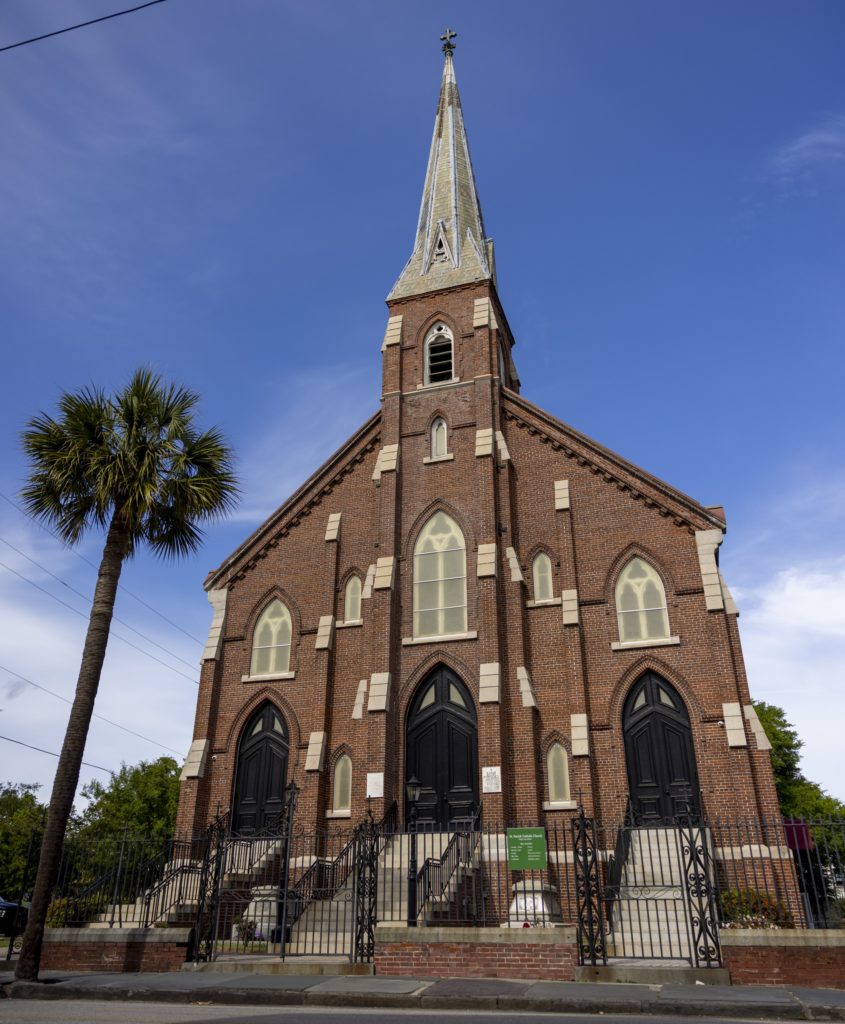
Founded in 1838, the parish stood out in an era of racial segregation when separate churches for Black and white Catholics were the norm. Yet at St. Patrick’s, Black and Irish Catholics worshipped under the same roof, side by side across the aisle from one another.
Today, St. Patrick’s remains the city’s only predominantly Black Catholic parish, where their rich culture and heritage continue to be celebrated and preserved.
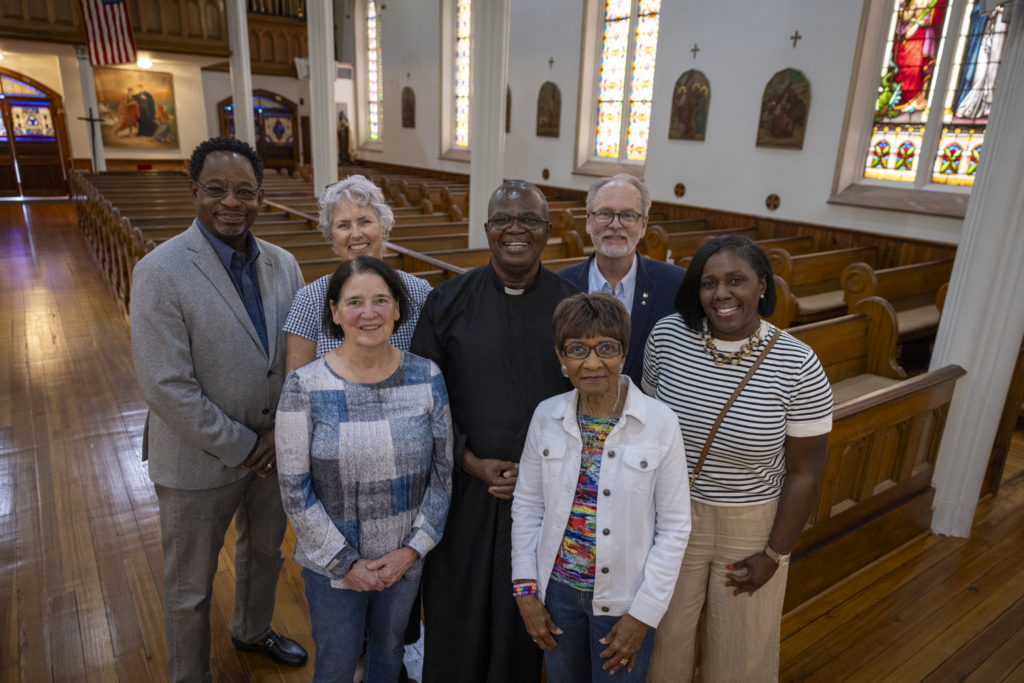
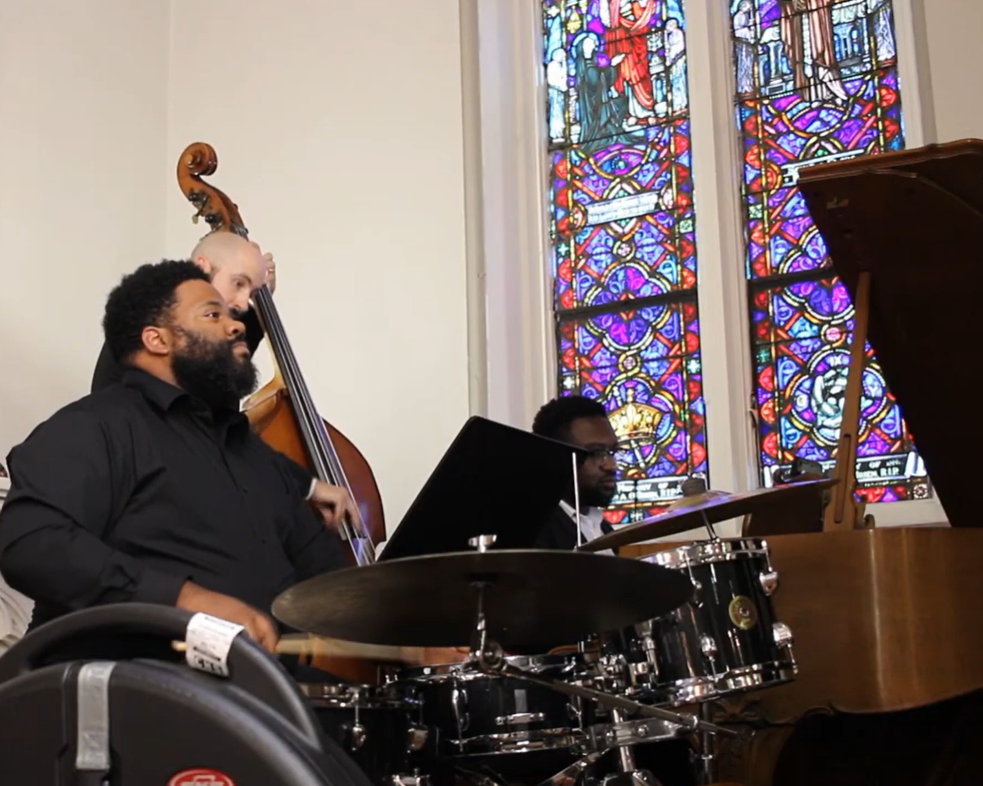
This includes its gospel choir. Their local bishop is especially appreciative of their “Jazz Mass,” under the direction of Grammy Award-winner Charlton Singleton, who combines the sacredness of Catholic liturgy with this revered African American cultural art form.
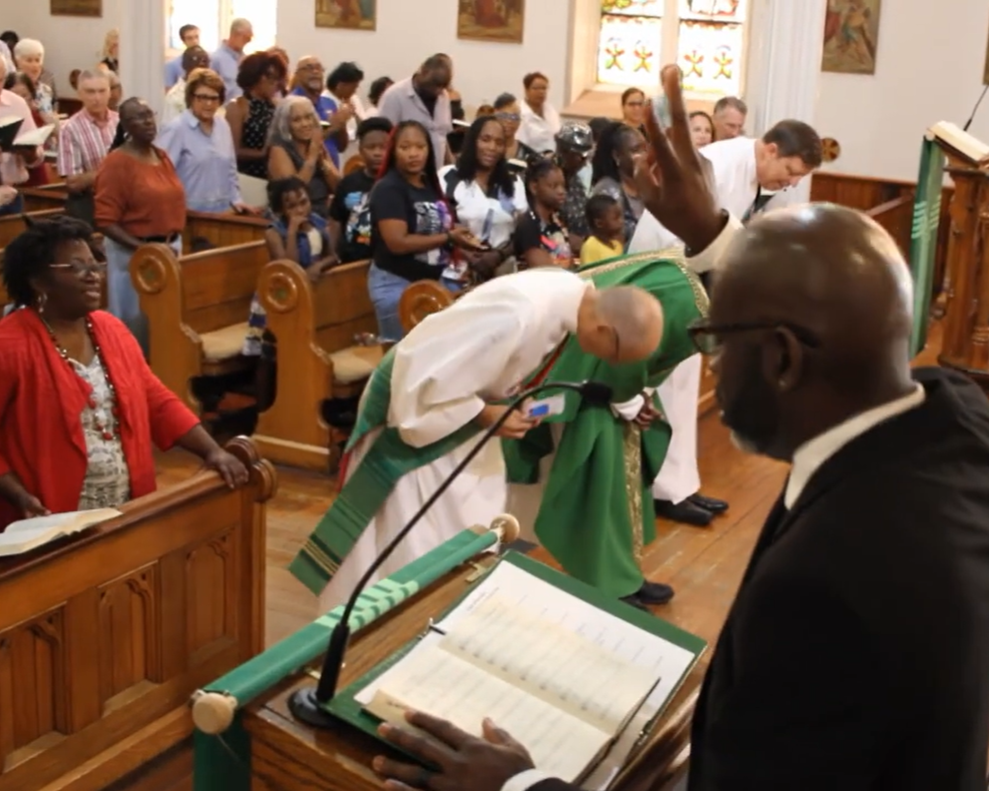
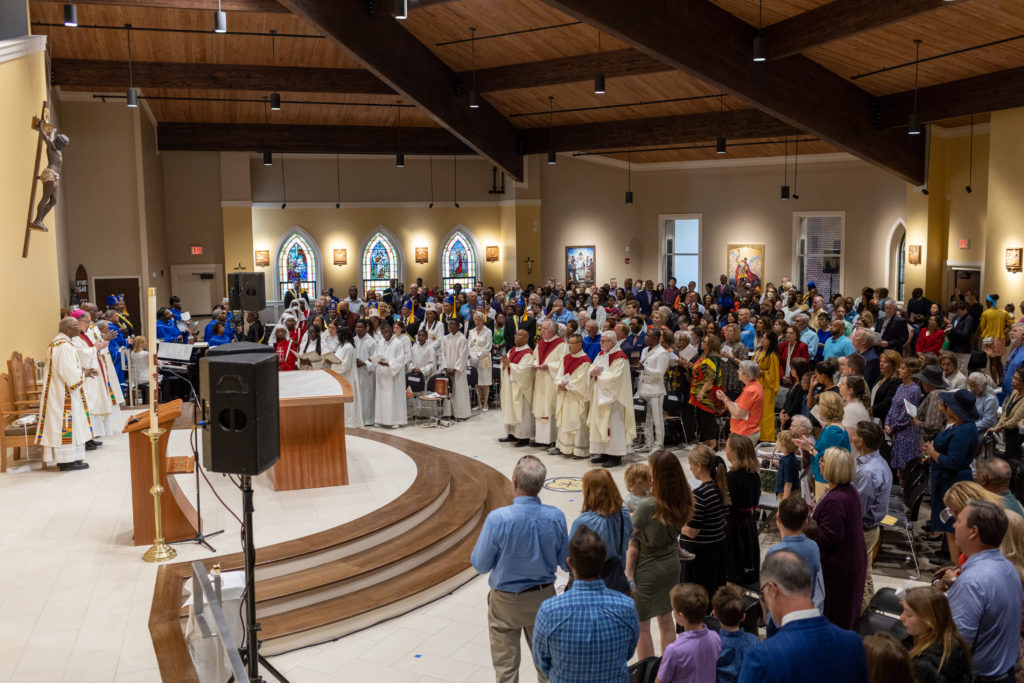
St. Peter Claver in the Diocese of Lexington, Kentucky was also founded by freed slaves and their descendants. It continues to thrive as a growing and diverse community of Korean, Filipino, Congolese, white and African American parishioners. They dedicated a new church in 2023, a project which Catholic Extension Society proudly supported.
Outside of the continental United States, San Mateo de Cangrejos in San Juan, Puerto Rico, was founded by emancipated slaves on the Caribbean island, and today serves many Puerto Rican and Afro-Caribbean faithful, including Haitian refugees. Today it is a place of hope for Black Haitians fleeing violence in their country. After suffering damages by Hurricane Maria, this year it will undergo repairs through Catholic Extension Society’s Puerto Rico Recovery Program.
These stories of Catholics who fought hard to keep their faith did not even happen only in the distant past. Their struggle continued throughout the Civil Rights Movement. Consider the story of Barbara Robertson of Louisiana, a faithful Catholic woman who in her book, “My Journey: The Journey of an African-American Woman: Faith, Courage and Hope,” described being slapped in the face in the 1960s for the sin of trying to receive communion in a “white Catholic Church.” She kept the faith and passed it to her children, who are now doing the same for Black Catholic youth in the Diocese of Lafayette Louisiana.
On Juneteenth all of us would be well served to know these stories, to appreciate the struggle of our brothers and sisters in faith, as well as learn about the great sacrifices of these Catholic freed slaves and their descendants as they fought with heroic courage to remain faithful to their Church and their God.