
A recent NBC news headline following the pope’s first trip abroad in November 2025 included a somewhat jesting, irreverent—and inaccurate—description of the Holy Father. It referred to him as a “nice geek from the Midwest.” The article’s point was that this new global figure, emerging from relative obscurity, must adapt to the big role he was called to after last year’s historic election as the first American-born pope.
His election was no fluke
A closer look at his high school years reveals a young man with a firm foundation: absorbing everything life had to offer, making the most of his learning opportunities, and excelling in academics, sports, the arts and leadership roles.
The pope attended St. Augustine Seminary High School in Holland, Michigan. The historic grounds and mansion were once owned by a well-to-do Chicago entrepreneur, Dorr E. Felt, who built the estate as his family’s vacation villa near the picturesque sand dunes along the shores of Lake Michigan.
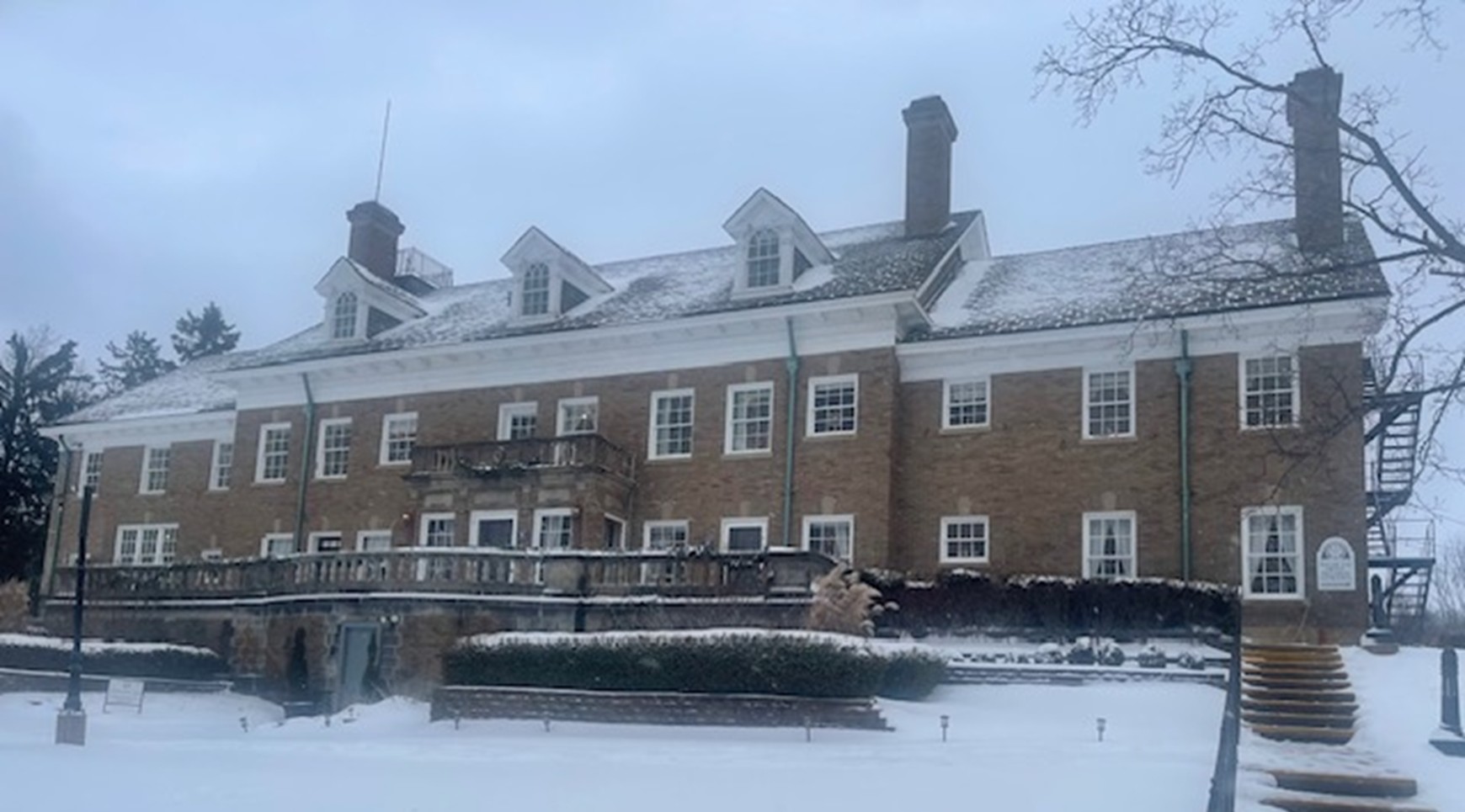
The Augustinian Order took over the estate in 1949 and used it until 1977 as their high school seminary. Under new ownership today, the building has been restored and now mainly functions as a venue for special events.
Pope Leo XIV (Robert Prevost) attended the all-boys boarding school, located a two-hour drive away from his hometown of Dolton, Illinois, in Chicago’s south suburbs. He discerned a vocation to the priesthood as a student here during his adolescent years from 1969 to 1973.
We recently featured a video series of his working-class neighborhood, narrated by Catholic Extension Society’s president, Father Jack Wall, who grew up only several blocks away and attended the same school and church as the pope. Reflecting on his own childhood there, Father Wall posited that the future pope experienced the power of faith, the love of family, and the value of hard work in his youth.
Standout student
Delving into the pope’s high school yearbooks reveals that this was a time of intense human formation. Akin to what the Scriptures say when describing the “hidden” years of Jesus’s youth, “the child grew and became strong, filled with wisdom, and the favor of God was upon him.” (Luke 2:40). The pope seemed to experience something similar in his life.
What emerges through photos, captions and recollections of fellow classmates is a person who was a well-grounded young man, applying himself and beginning to shine.
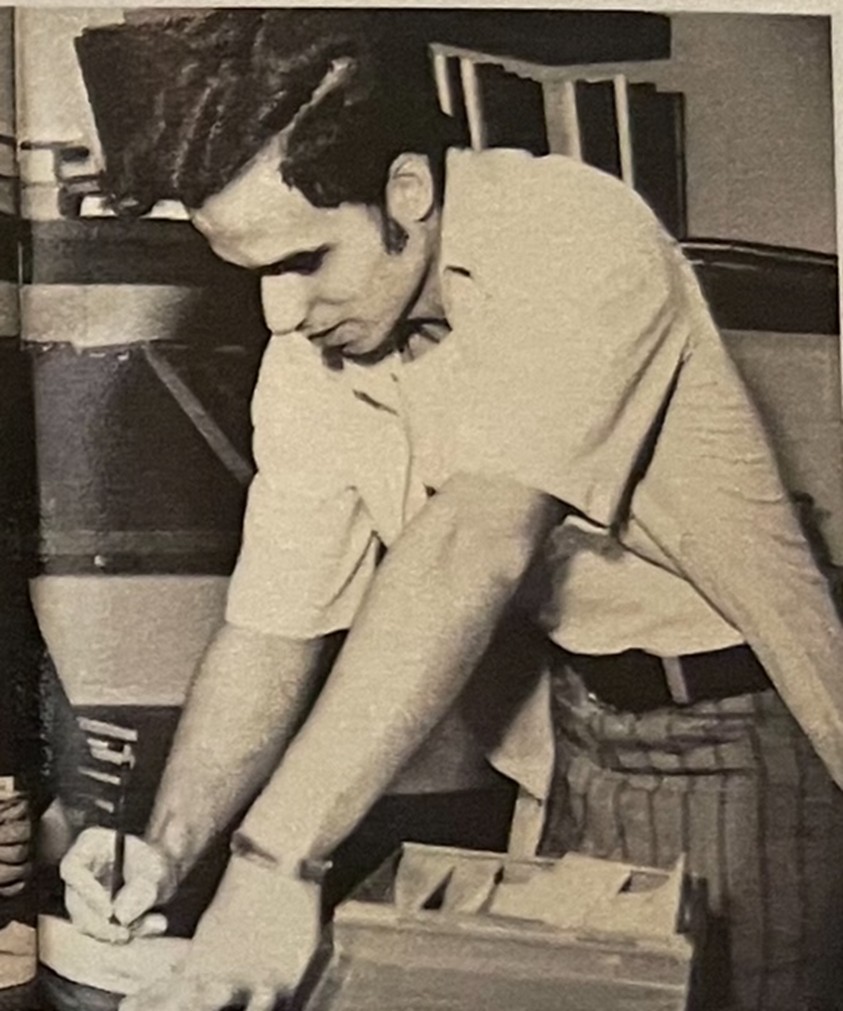
Hope College, a nearby Christian liberal arts college, has been compiling research on the four years the future pope spent in the area as a high school student. They spoke with classmate Mike Greco, who remains in touch with the pope, and described young Robert Prevost as “the most well-rounded guy I had ever met.”
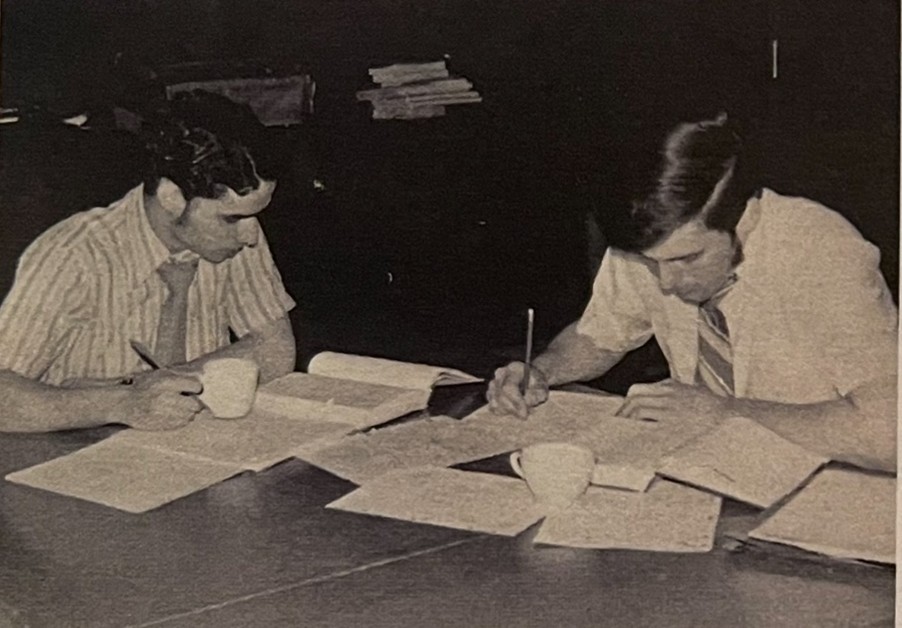
He explained that “his door was always open to help peers with class work.” Below, Prevost (left) is seen studying.
He excelled so much in academics that he graduated as co-valedictorian of his class in 1973.
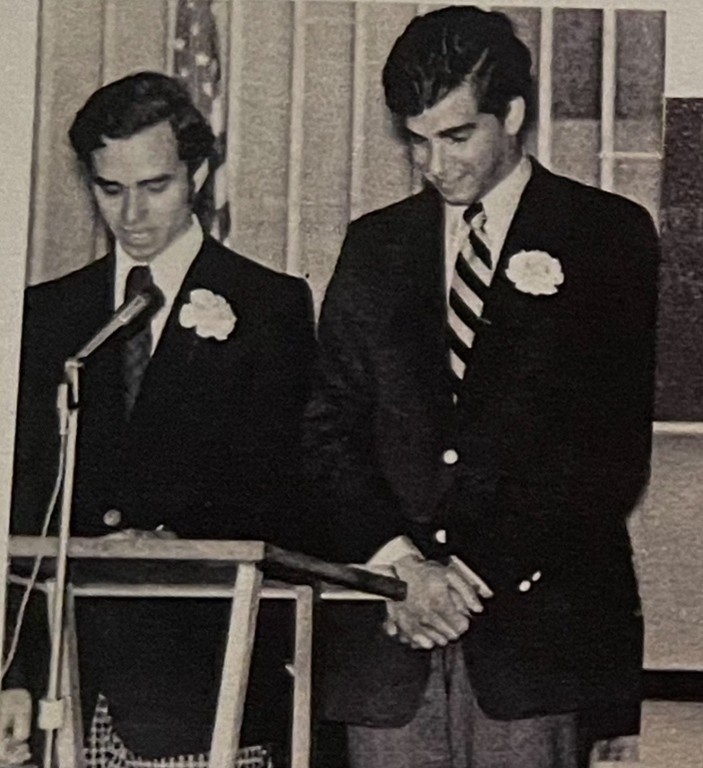
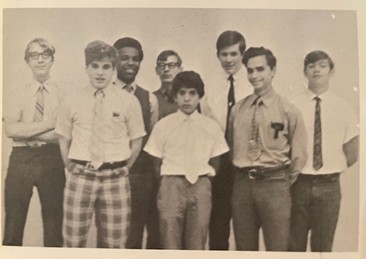
More than a bookworm, he also participated extensively in sports and many other extracurriculars. That included his school tennis team, a sport that the pope continues to enjoy playing today. He is pictured below as a high school sophomore with his tennis team.
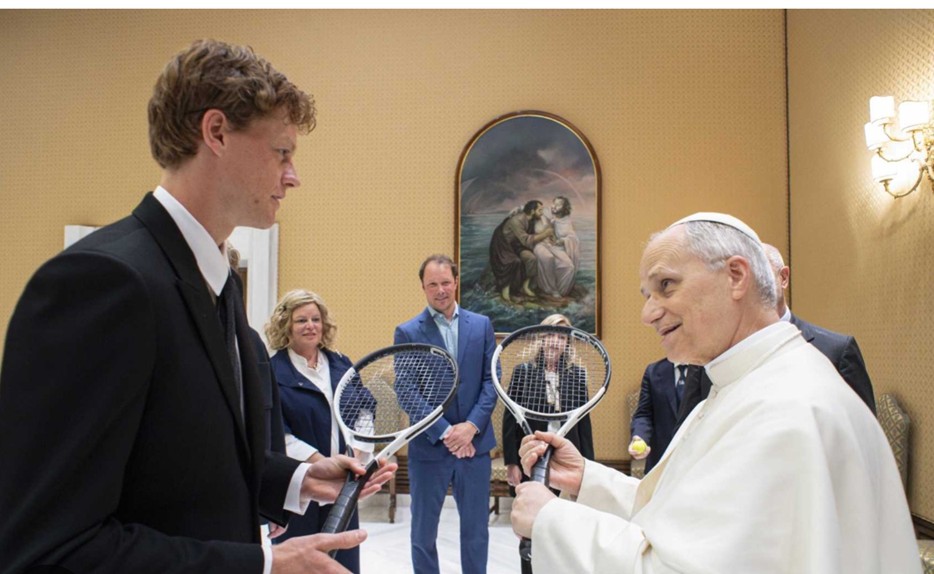
Fittingly, after becoming pope, he met with the world’s No. 1 ranked tennis player, Jannik Sinner.
The future pope was also fond of bowling. Anyone visiting Lakeview Lanes in Douglas, Michigan, (the town adjacent to the seminary) will be promptly reminded that “the pope used to bowl here.”
During the 2025 “Jubilee of Sport” at St. Peter’s Basilica, which convened thousands of athletes, Pope Leo XIV said sports are a great way of developing human and Christian values. Sports can “preserve a healthy contact with nature and with real life, where genuine love is experienced,” he said. Surely, these convictions were solidified during his formative years.
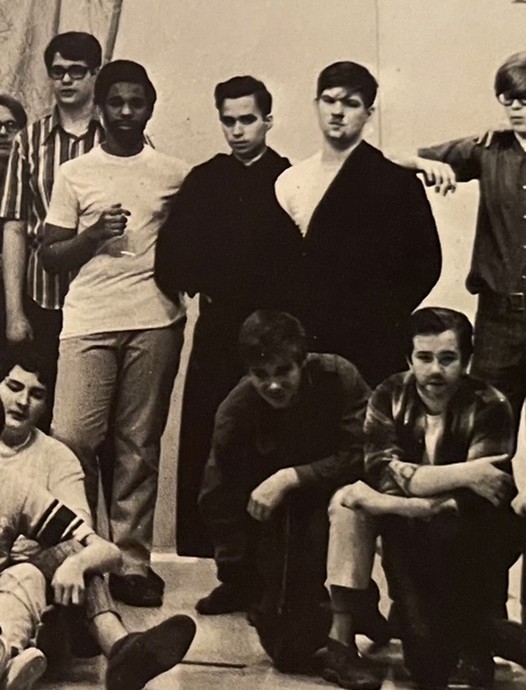
Exposure to the arts was also part of his education. Here he is seen in his sophomore year in a play with fellow student Rich Jacobs, where they are dressed up as religious clergy to perform a seemingly light-hearted short play called “Refund.”
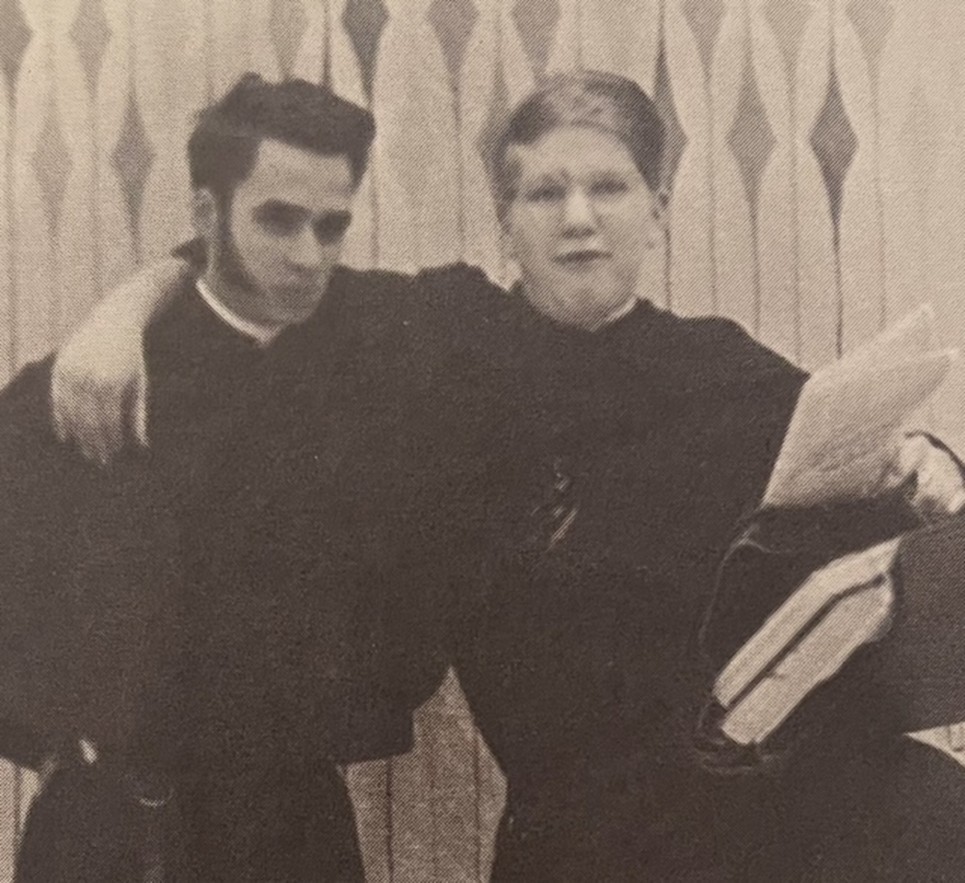
After the play he enjoyed refreshments and camaraderie with fellow actors, like any high school boy.
A future leader
In addition to the fun and frivolity of being a young man coming of age alongside his friends, it is not surprising that the young “Bob Prevost,” as they referred to him throughout his yearbooks, began to also show signs of leadership potential.
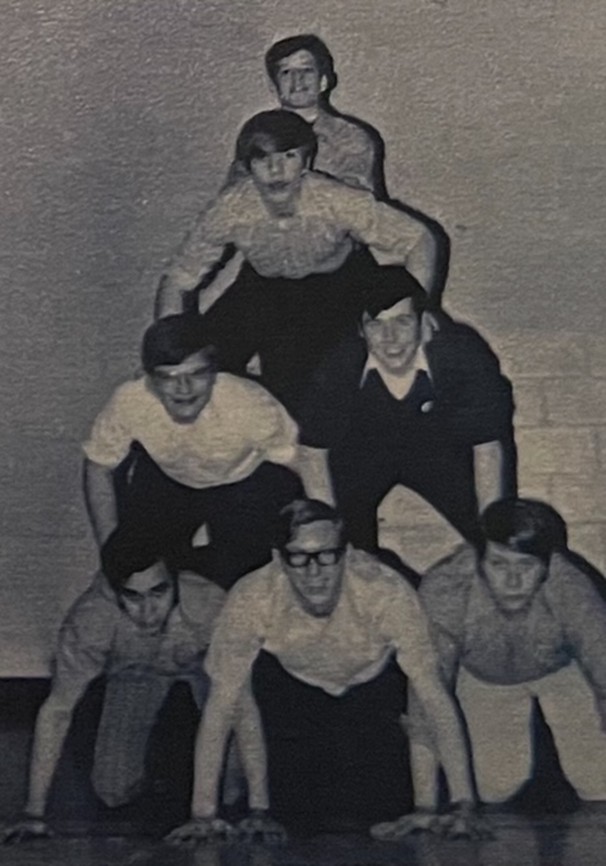
These initial leadership opportunities in high school, it turned out, would be the beginning of his preparation to eventually lead 1.4 billion Catholics across the globe.
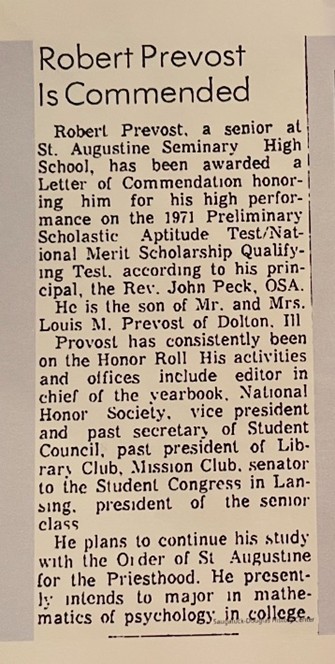
As this clipping indicates, he was vice president of the student council, president of the Library Club and the Mission Club among other activities and offices. It suggests he was being formed to be a person of service, to think big, to be centered as a person of faith, and to be a man loyal and loving to others.
Today’s action is tomorrow’s reward
By peering into these pivotal years of development in the life of our pope, one can see the plausibility of him becoming the man called to be “Peter’s successor.”
But, perhaps more than anything, we conclude that his election, which Catholics believe is ultimately an act of the Holy Spirit, was also an affirmation of the institutions that gave rise to this man.
This historic development of an American pope (something once widely considered outlandish) is a sign that the Church in America has built great institutions. These institutions are not always meant to last forever, but they serve a distinct purpose at a divinely ordained moment in time.
We know this because Catholic Extension Society has been involved in the creation of Catholic institutions for more than 120 years. We have built and repaired more than 13,500 churches in our history. The institutions and people we have supported over the years have included some of the finest leaders, parishes and ministries to ever serve the Church in America. We have literally collaborated with canonized saints, and our work has intersected with some of the most consequential moments of our national and Church history.
As much as we want, we cannot always see the results of our efforts immediately. The St. Augustine Seminary High School faculty did not realize they were educating a future pope. Only when we stop and look back can we sometimes begin to get a glimpse of just how much good we are accomplishing through our daily commitment.
The prayer, financial generosity, and service we offer today becomes future generations’ inheritance as they reap the benefits of the seeds we have sown.
Catholic Extension Society works in solidarity with people to build up vibrant and transformative Catholic faith communities among the poor in the poorest regions of America. Please support our mission!