

You don’t need to be a Bible scholar to figure out how God feels about His creation. In Genesis, the very first book of the Bible, God, contemplating heaven and earth, proclaims, “It is good!”
As we celebrate Earth Day, we reflect on how this gift to us is an overwhelming manifestation of God’s love and, as such, must be treated with reverence and care.
In 2015, Pope Francis, echoing the words of his namesake, Francis of Assisi, issued “Laudato si’: On Care for Our Common Home,” calling for immediate global action to address environmental degradation. This was the first papal encyclical ever issued to every person on the planet on this subject.
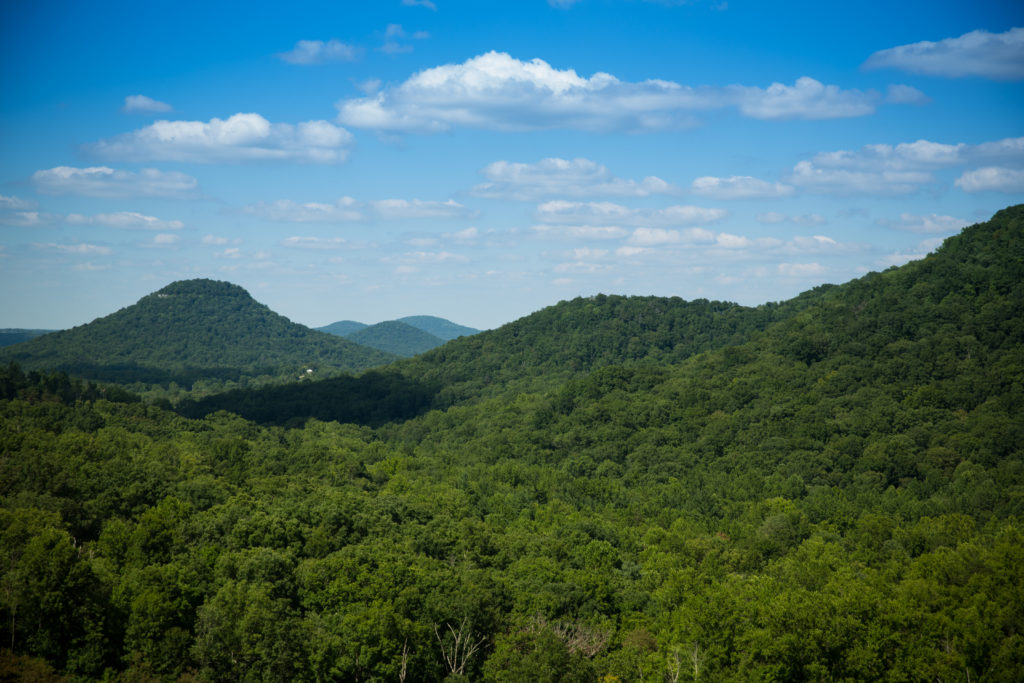
Creation is good, but it is fragile, and we the recipients of God’s gift must care for it. This includes the many natural treasures found in the United States, such as the ancient Appalachian Mountains, pictured below.
The Diocese of Lexington in eastern Kentucky is home to a significant portion of Appalachia. The diocese is led by Bishop John Stowe. A Franciscan himself, he took the challenge to care for creation seriously. He wanted his diocese to be able to respond not with words, but actions.
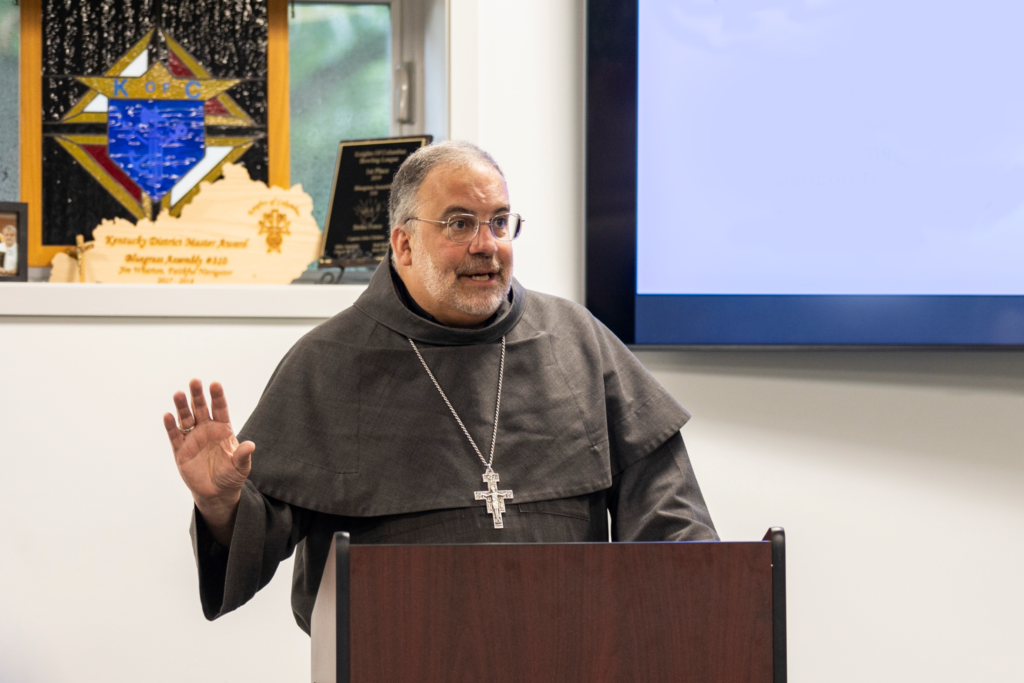
In his May 19, 2024, pastoral letter to the diocese, Bishop Stowe wrote,
We need to begin to live and act as responsible stewards of this planet and in right-relationship with all our sisters and brothers in creation. And we need the help of the Holy Spirit to do so.”
His words carried added significance, given that 40 of the counties of his diocese were areas once heavily mined for coal: a business synonymous with carbon emissions.
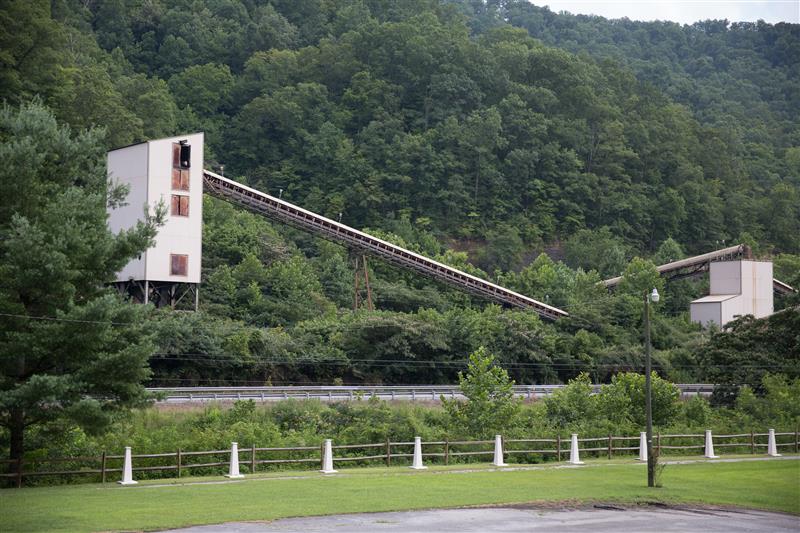
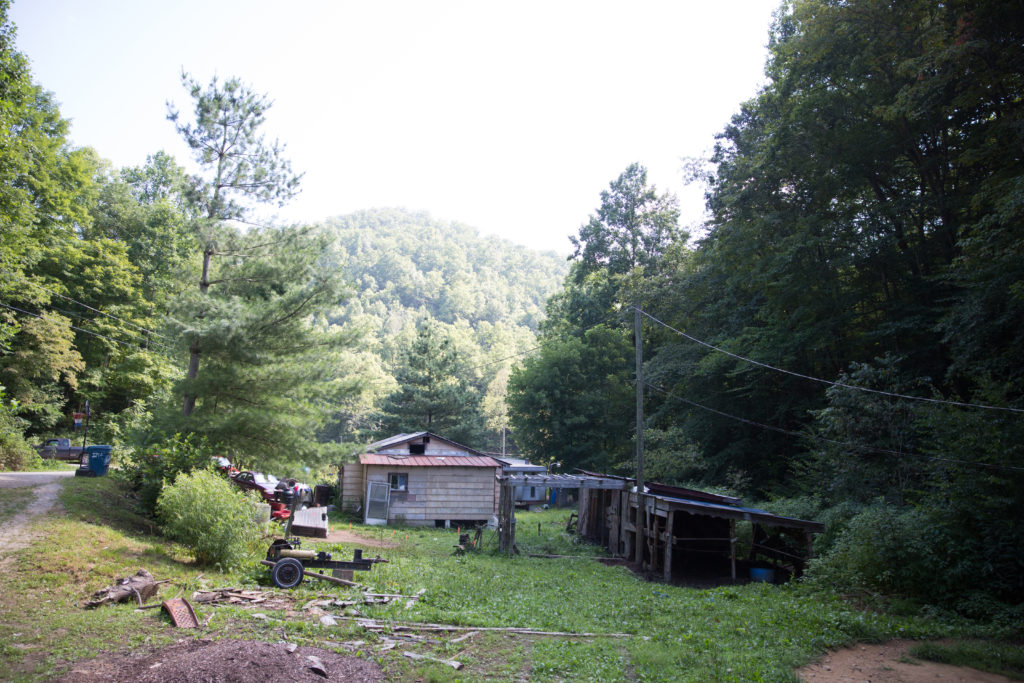
The industry has largely disappeared, but the scars on the land remain and the economic fallout continues to be felt.
Prayer then action
Bishop Stowe asked each of the 59 parishes and missions to study, pray and reflect upon “Laudato si’” and commit to specific action plans to implement the powerful vision of the encyclical on the local level.
This active participation from all parishes, Bishop Stowe said, was meant to help Catholics “understand the seriousness of this call and to realize that, as in many aspects of our faith, we cannot just be about words.”
Amazingly, there was no uprising against their shepherd. There was no partisan backlash. Every parish participated, including those comprising former coal workers. All entered the process of discernment in good faith.
On January 1, 2025, Bishop Stowe released a 225-page document detailing every parish’s action plans, timetables, key leadership and specific measurable outcomes. It is a marvel of diverse creativity, both for its process and end product. Below is a simplified infographic explaining the program’s goals.
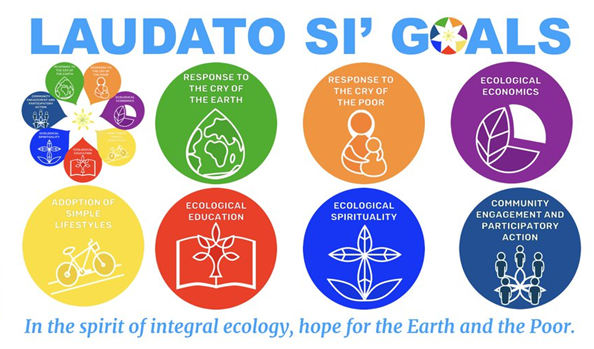
On the diocesan level, Bishop Stowe practiced what he preached. The Diocese of Lexington became the first in the U.S. to announce plans to reach net-zero carbon emissions, with a goal to accomplish this by 2030. He plans to invest in renewable energies to power the diocese.
In addition, the diocese created seven webinars on how to incorporate the encyclical’s themes into liturgies and homilies and how to create “green” parish facilities.
Parish initiatives were practical, doable and, in some cases, cost efficient. One parish banned the use of disposable items like plastic utensils at all functions. Many traded in light bulbs with LEDs for more energy-efficient lighting. Others replaced old windows and added solar panels with the help of funding. Catholic Extension Society stepped in to fund action plans at many of the mission parishes, including those moving forward with the installation of solar panels. Pictured below are the newly installed solar panels on Holy Family Catholic Church in Booneville, Kentucky.

Young voices
Young people created butterfly gardens, helped with tree plantings and began composting. They were invited to advocate at state legislative hearings. Young scientists-in-training even learned about how to build a gravity-fed water filtration system. Below the students at St. Agatha Academy in Winchester, Kentucky, show off their pollinator garden, which feeds bees, butterflies, and birds that promote native biodiversity.

A collateral benefit of these youth initiatives is a burgeoning sense of hope. Young people identify climate change as their top priority and cause of anxiety about the future. Knowing that the Catholic Church is leading the way to protect the environment is a source of pride and affiliation.
The Book of Genesis exhibits God exclaiming that creation is good. In his “Canticle of the Sun,” St. Francis of Assisi proclaims that the earth is like our common mother. And Pope Francis called us to care and protect this mother.
Under the leadership of Bishop Stowe, the Diocese of Lexington has become a model for how the Church can care for and protect God’s greatest gift to us. It has also become much, much harder to find a Styrofoam cup there. And this is reason to hope!
Catholic Extension Society works in solidarity with the poor in the poorest regions of America to build up vibrant Catholic faith communities. Support our mission!