
This year, the Diocese of San Bernardino honored Catholic Extension Society with its Amar Es Entremares (To Love is to Give Oneself) Award for our decades of support to their poorest communities.
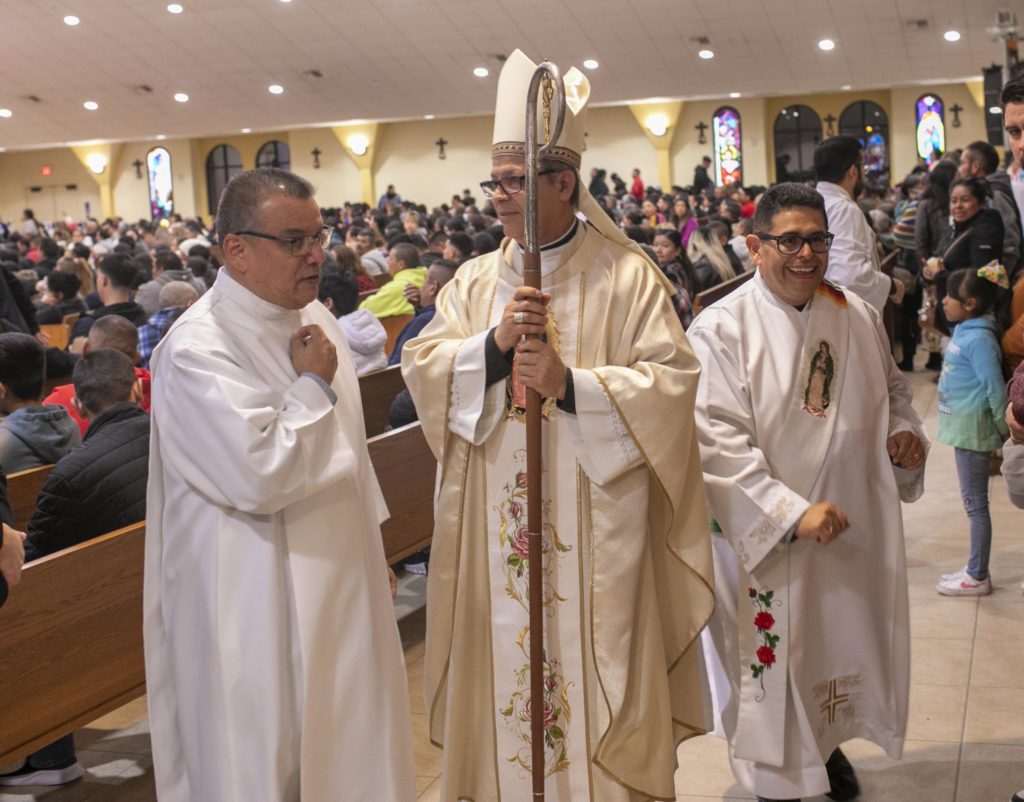
The diocese, under the leadership of Bishop Alberto Rojas, pictured in the center below, is home to a whopping 1.7 million Catholics and covers 27,000 square miles of mostly desert territory in Southern California.
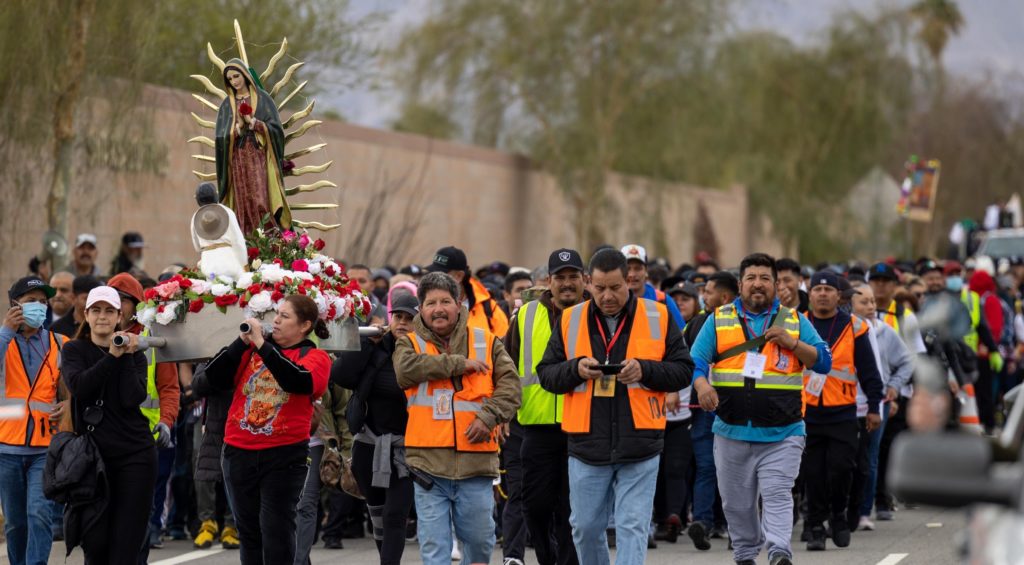
In the photo below, thousands of faithful in the diocese walk 33 miles in a procession to honor Our Lady of Guadalupe.

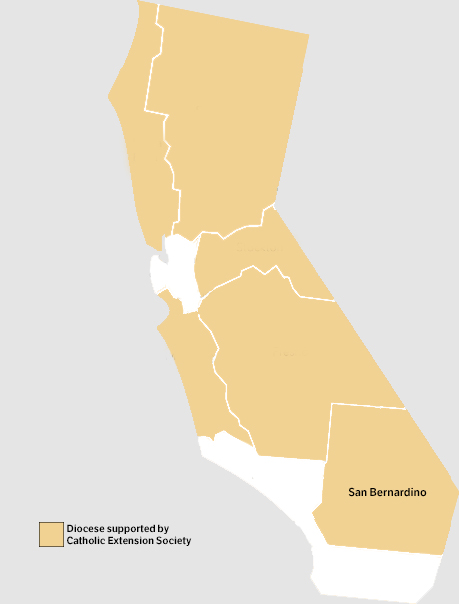
This is the single largest diocese, population wise, among the 87 Catholic dioceses currently supported by Catholic Extension Society. The map below San Bernardino as the one of the six Extension dioceses in California.
Many of the dioceses we help have these four key traits. Their Catholics are, on average:
- Younger
- Economically poorer
- Growing in number
- Culturally diverse
The Diocese of San Bernardino still shares these common features, but on an exponential level.
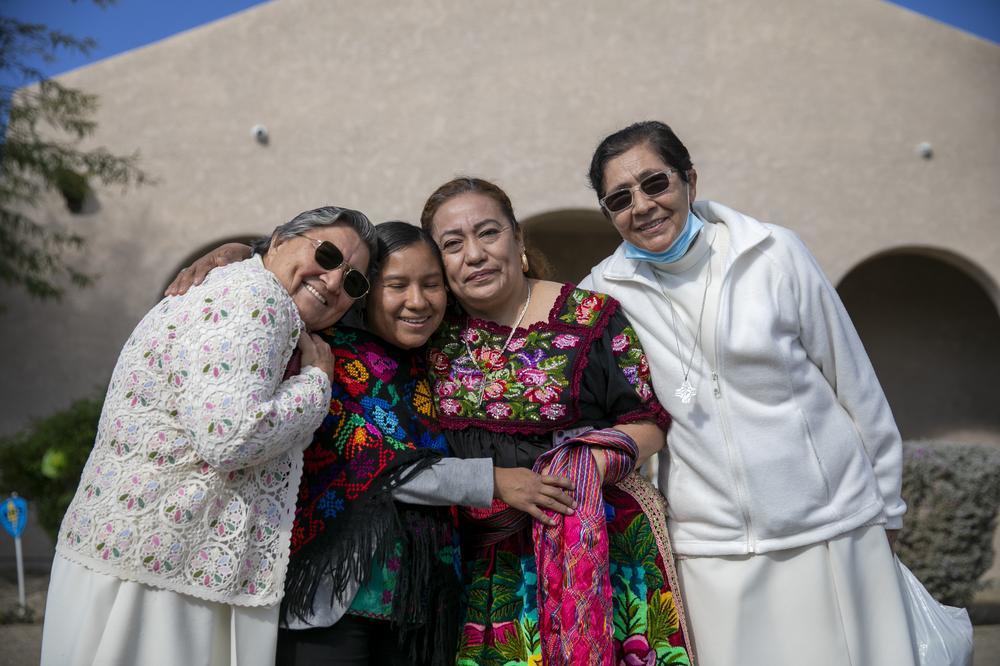
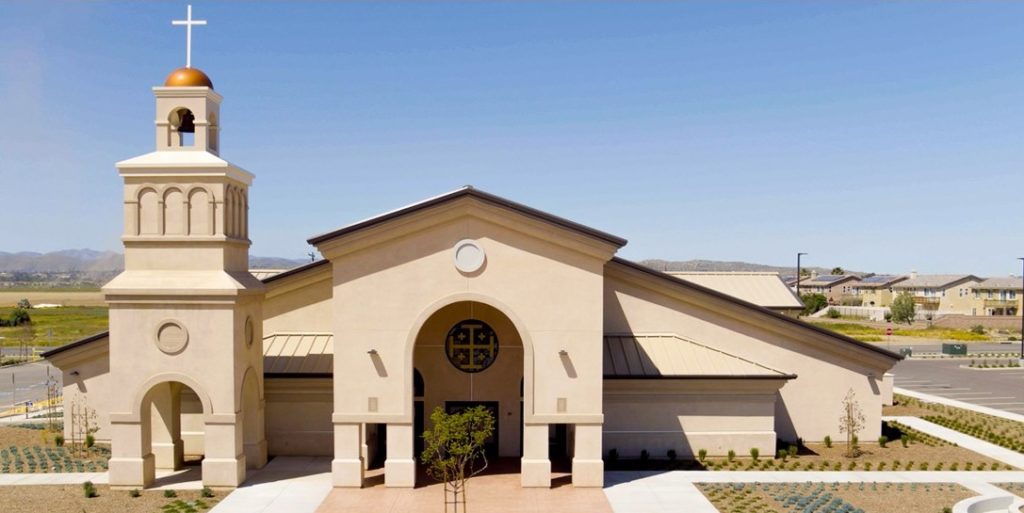
Catholic Extension Society accompanies the Catholic faithful here by supporting the education of seminarians and lay leaders; the ministries of religious sisters (such as those pictured below); young adult formation programs; and the construction of new churches to accommodate the growing population. In our 120-year history, we have built or repaired over 35 churches in the diocese.
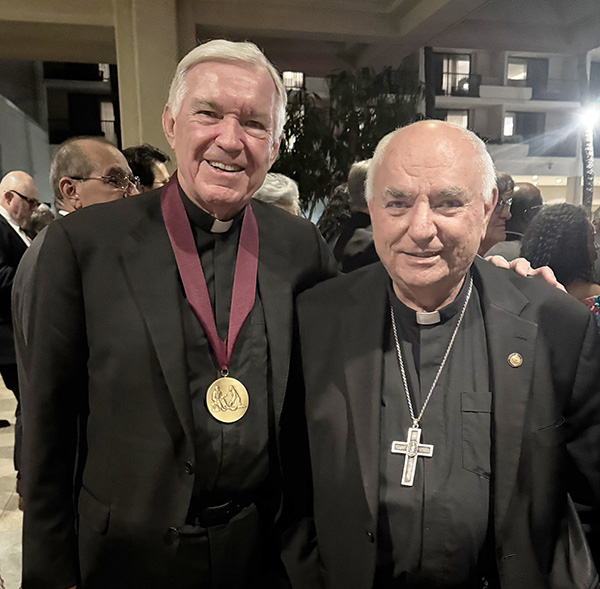
To give us greater perspective and background on this beautiful diocese’s successes, we spoke with Bishop Emeritus Gerald Barnes, who serves on our Board of Governors and led the diocese from 1996 to 2020. He is pictured below on the right with our president, Father Jack Wall.
Responses are edited for length and clarity.
What is unique about the Diocese of San Bernardino?
People really drive through this part of the state. They don’t usually stop here. So we’re kind of like Galilee.
San Bernardino is considered poor, in comparison to our neighbors.
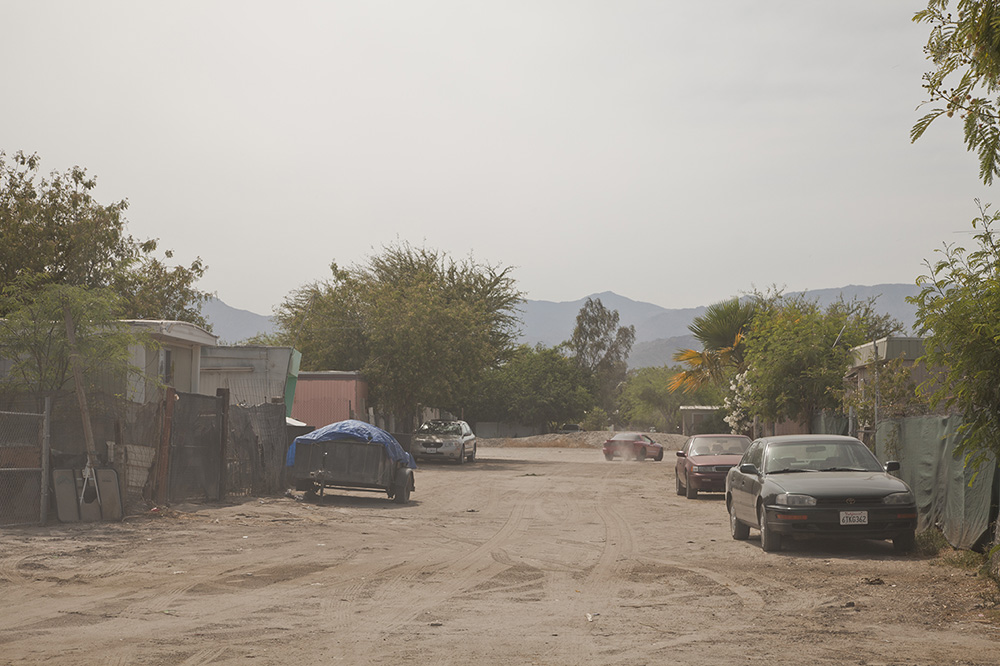
We don’t have Catholic universities or colleges. We don’t have motherhouses or formation houses. So we have had to grow out of our own talents and resources.
The Diocese of San Bernardino took Vatican II seriously. The founding bishop really took to heart and began to develop this new diocese with those principles. The diocese knows what it is to welcome people.
Our hospitality is superb, and that is the uniqueness here, because of the great diversity. We’ve worked at welcoming people from wherever they are into this diocese as their home.
How are Native American communities supported in their faith?
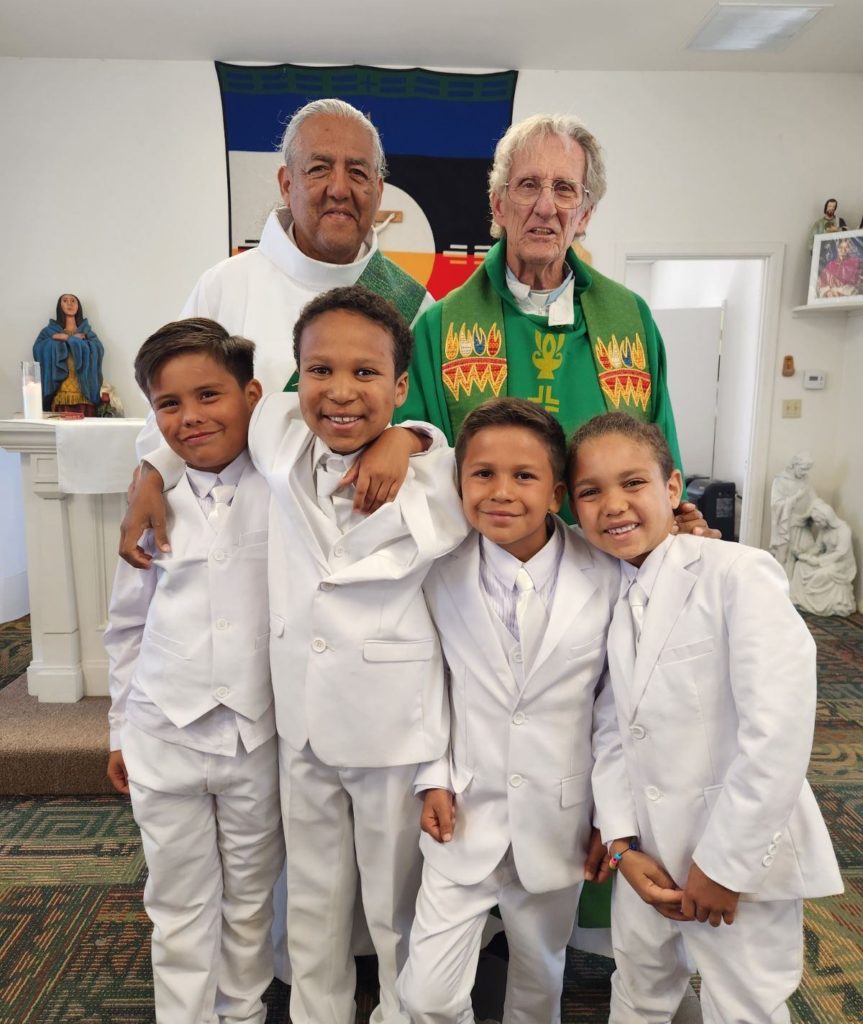
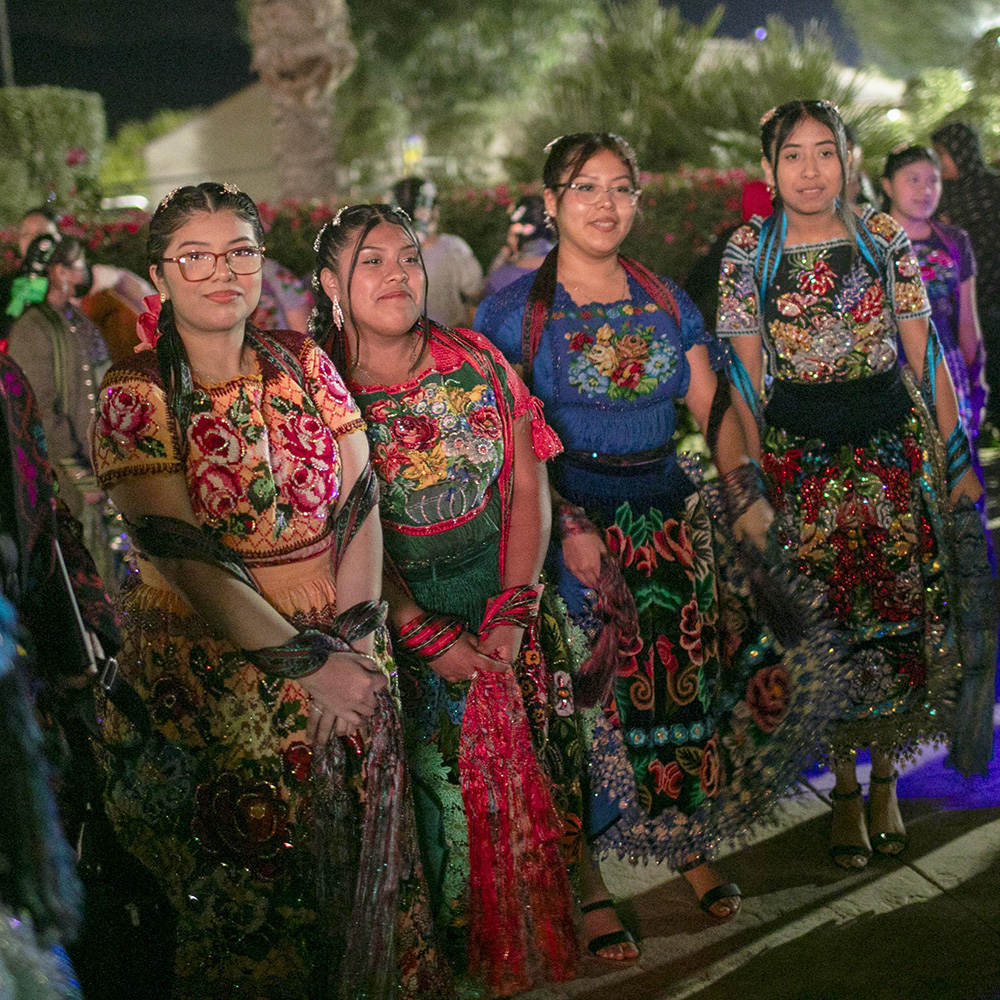
We have several different kinds of Indigenous communities. We have 10 Native American reservations and approximately 25,000 Catholic Native Americans. We also have five communities of Maya Indigenous people here. And we have a very large community of Indigenous people from the state of Michoacán in Mexico that work in the agricultural industry here.
Native Americans are a group that has been hurt for generations. Every treaty our country has made with the tribes has been broken by our own country, our own government. So it’s extremely important to build that trust. We have a missionary priest [Father Earl Henley] serving Native Americans here. When he began, I told him he needed to stay with them at least five years. He’s been here for 25 now.
One tribe with a casino gave us $9 million to build our homeless shelter for men. They said, “We are giving it to the Catholics because when we were in the mountains and we were freezing cold, it was the Catholics who brought us food and blankets.”
How is the diocese reaching out to young people and encouraging new leaders?
We changed the name of our office to be Ministry with Young Catholics. We brought youth on our boards. We need teens and young adults. We can’t wait until they’re in their 50s and 60s. They’re married, many of them, they’re raising children, they’re pursuing degrees in universities. They’ve got experiences that we need to hear, so that our programs are much more inclusive. One of our core values is collaboration. Collaboration is recognizing the gifts that others have within your home. Kids have something to contribute. Your wife has something to say in your parish. The priests don’t have the answers to everything. Listen to what the people are saying.
The bishop should listen to his priests and his religious and his people and then affirm what is out there and call forth from that.
How has Catholic Extension Society been a partner to the diocese?
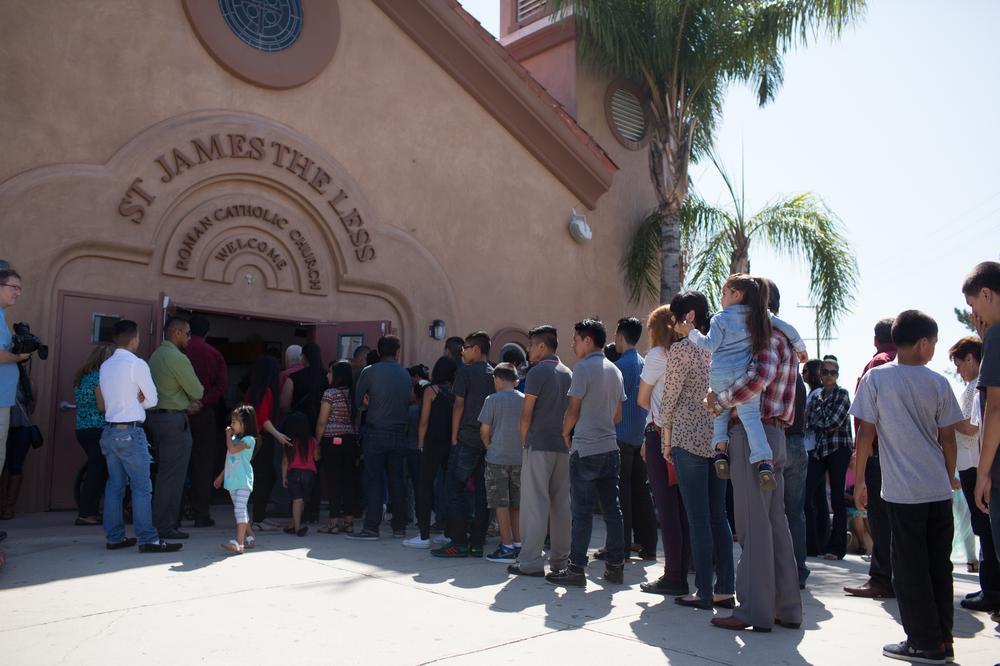
We had all these little churches that sat 250, 300 people. The biggest churches would sit 600. But now our churches have to sit 1,200. So it’s more expensive, of course. Catholic Extension Society has been instrumental in helping us build some of them.
I just would like to thank Catholic Extension Society for being a true partner, one that listens to our needs and helps guide and support us. It made a big difference in my ministry of the diocese. I respect everything they have done in helping us and helping other dioceses.
And so I’ve seen the work and I appreciate it and the good partnership they have shown. And, in a sense, the affection that I’ve seen from Father Jack and other members of the team toward our people. Thank you so much. I really appreciate it.
Catholic Extension Society works in solidarity with people to build up vibrant and transformative Catholic faith communities among the poor in the poorest regions of America. Please support our mission!