
Catholic Extension Society was founded on October 18, 1905. For 120 years—though wars, economic downturns, natural disasters, rapid technological advancements and population growth of 400%—we have been a present and adaptive missionary organization through it all.
As we celebrate our 120th birthday, here are a few highlights that showcase our influence on the history of the Catholic Church in America—and how we further advance these core pillars of our mission today.
Unprecedented effort to build church facilities
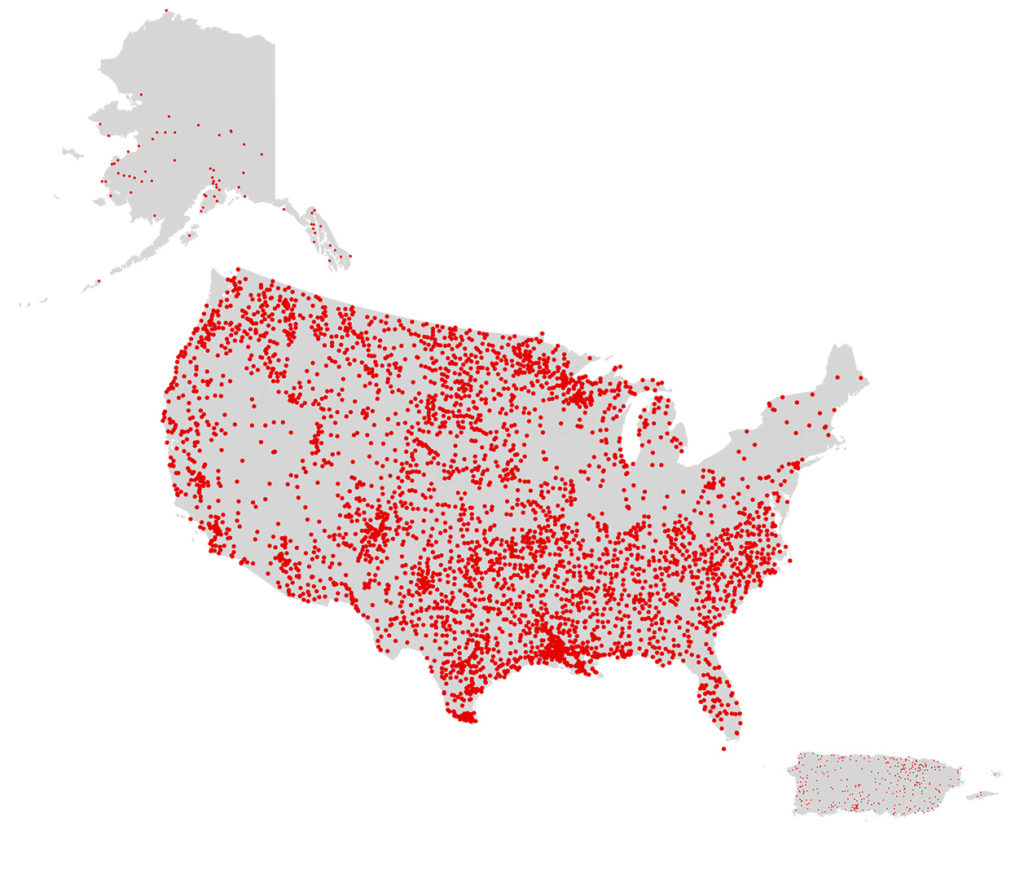
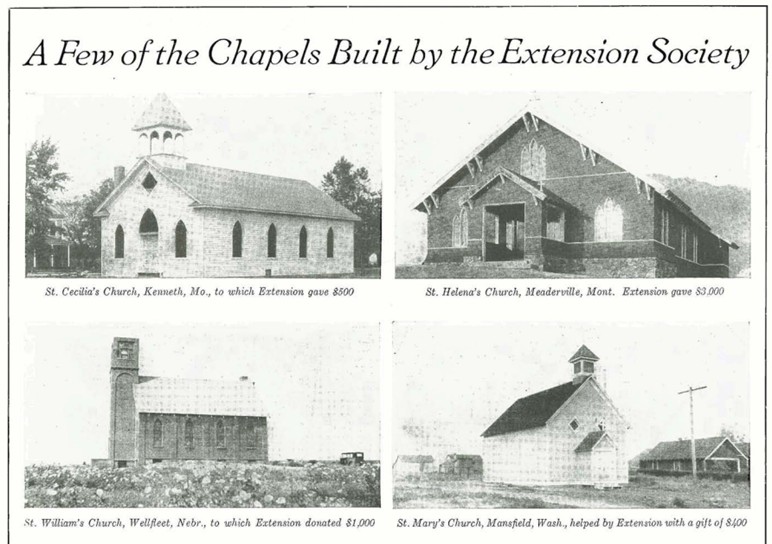
Since our founding, Catholic Extension Society has built or repaired over 13,500 Catholic churches and structures—which has had a massive impact on the Catholic Church in the U.S.
How did we get started?
Building houses of worship has long been a vital part of Catholic Extension Society’s mission. In the early 1900s, as laborers and Catholic homesteader families moved westward, they established new settlements in areas where no church existed.
Missionary priests answered callings to serve in these new communities, but they had no money or help to build a church. An article from the December 1907 issue of Extension magazine wrote, “The house of worship may be anything from a barn to a parlor—from a dilapidated, rickety town hall to a deserted, rat-infested cabin.”
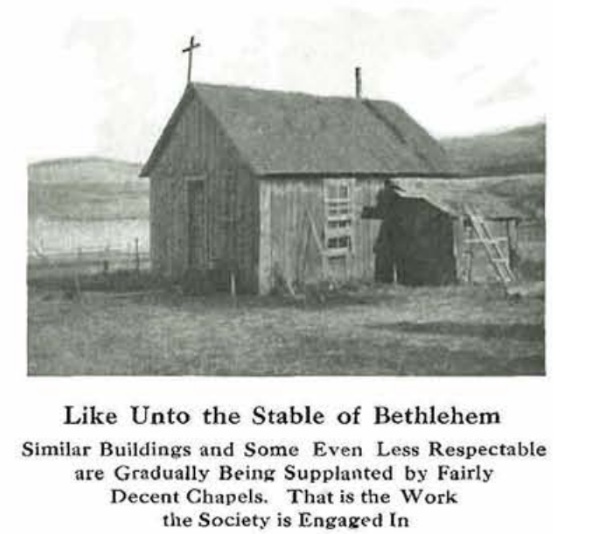
Catholic Extension Society heard the pleas of these communities and sent them the funds to build places worship.
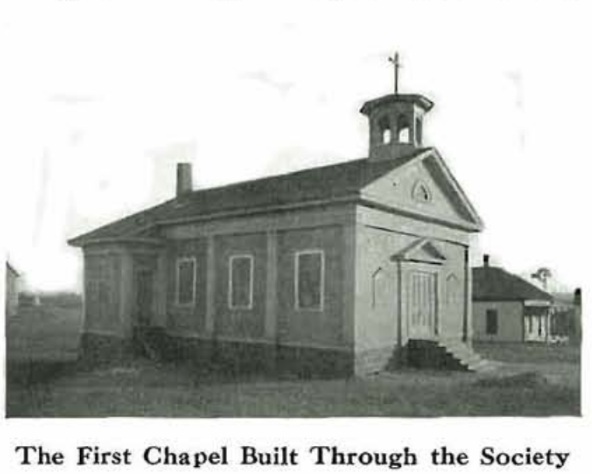
It did not take long to get the ball rolling. Thousands of churches were built in just the first two decades in places such as Valdez, Alaska; Mission, Texas; and Zwolle, Louisiana.
Supporting churches ‘on the move’
Although Catholic Extension Society has built or repaired 13,500 churches, we know that these Catholic faith communities transform society when their mission reaches “beyond their walls.”
A “church on wheels” makes its way through the American frontier
This is why, shortly after Catholic Extension Society was founded, our founder commissioned “chapel cars,” which were train cars converted into mobile churches that traveled to isolated communities, offering Mass to Catholics who had no local church and no local priest.
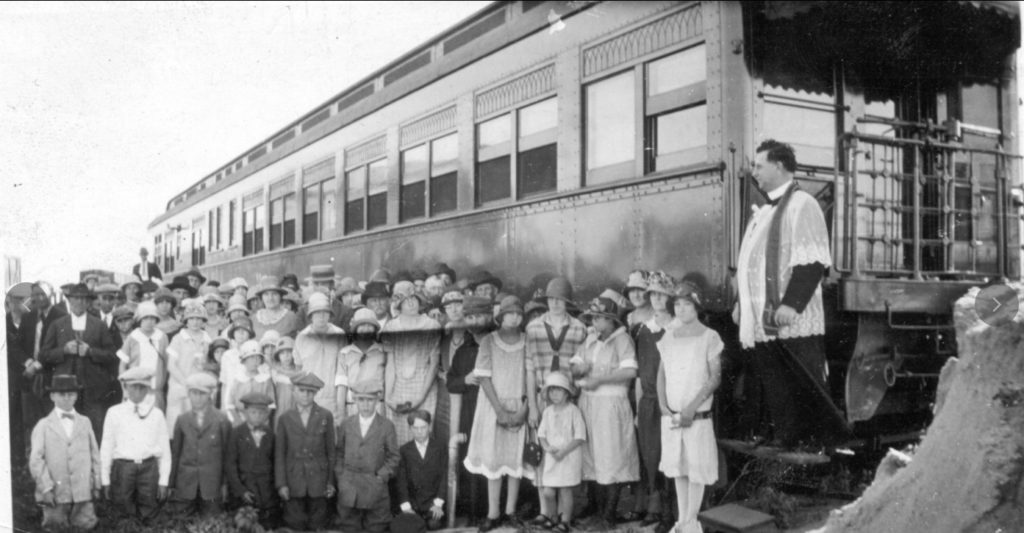
A 1930 issue of Extension magazine reflected on their impact:
“[Upon its dedication,] this humble car, of no architectural grandeur, named in honor of St. Anthony, was, in the years that followed, to visit places and people who had never seen a Catholic priest before. It was to draw crowds in thousands to hear, often for the first time, the doctrines of Jesus Christ and the teachings of His Church, and it was to be the means of reclaiming other thousands who had fallen away because they had been forgotten. It served to gather together the scattered flock, and many a parish in the prairies of the West came into being as a direct result of the visits of the car.”
Pastors go for miles to serve their people
The priests who did live in new settlements were also on the move.
They went out to the people, constantly. One priest serving a coal mining community, home to Irish, Italian, Slavic, Polish, Hungarian and other immigrant families, wrote to Extension magazine in 1908. He detailed his life in a miner’s house in West Virgina, “which was by no means wind or rat proof,” he wrote. He traveled by train, foot and horseback, wherever he was called, visiting homes, schools and quarries. On one occasion he walked 27 miles to provide final rites to a dying man.
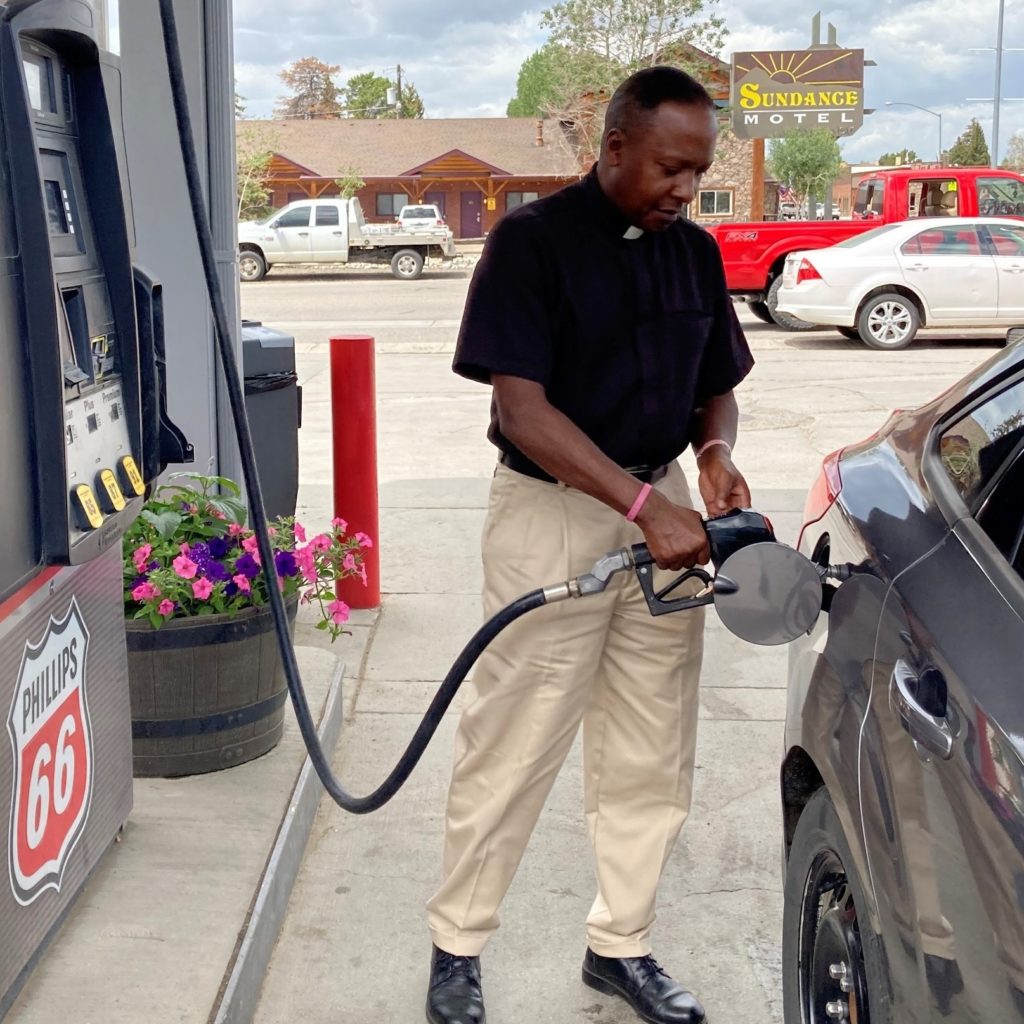
Today, our priests continue to be on the move. They often travel from dusk to dawn as they serve three, four, five or more missions at once. Some travel as many as 300 miles on a weekend to celebrate Mass in all the churches they are assigned to. Catholic Extension Society supports their travel costs.
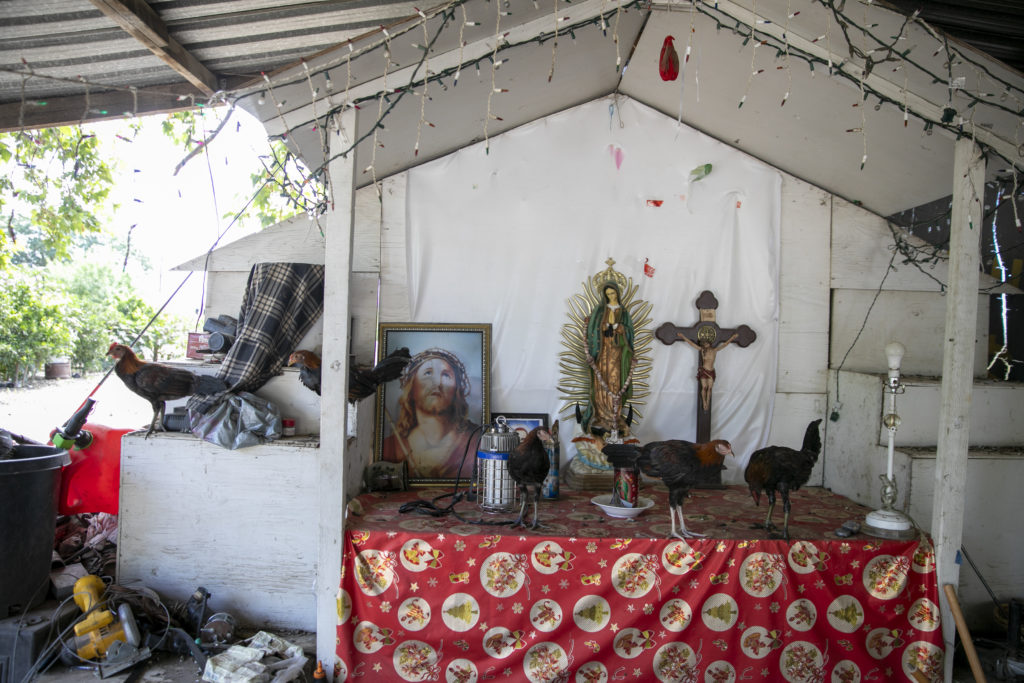
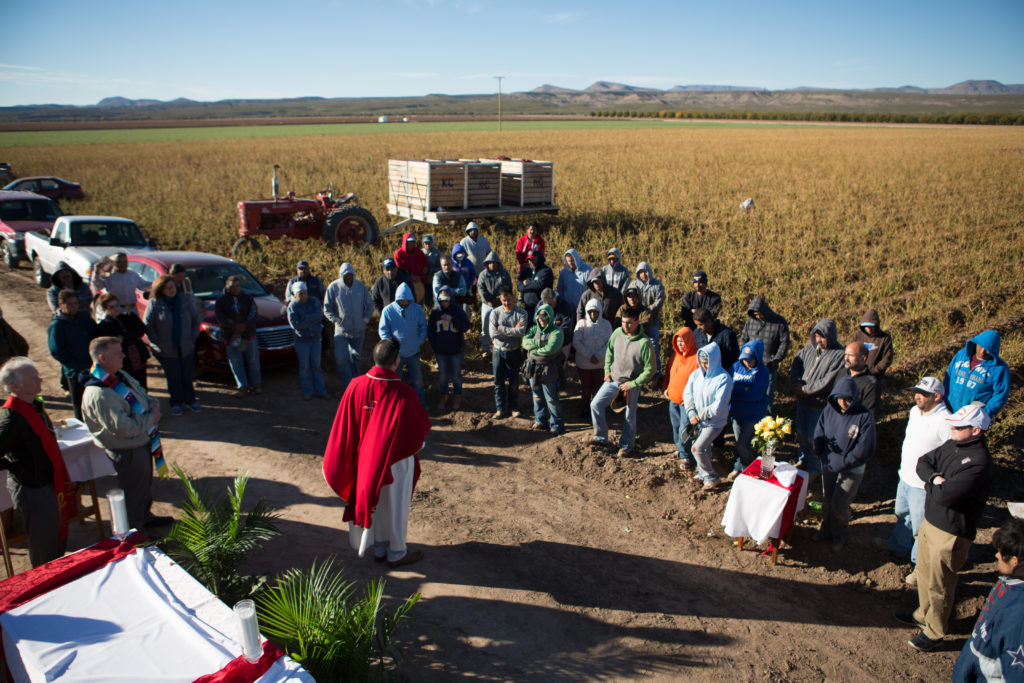
Catholic Extension Society supports many ministries today designed to “go where the people are.” This includes ministries for migrant workers, who worship in tents or dormitories before they go out to labor in the fields, such as this humble chapel in rural California:
Mass is even celebrated in the fields, such as in this photo of migrant workers who take a moment away from picking chilis in New Mexico to worship together.
Supported by popes past and present
The pope at the time of Catholic Extension Society’s founding was Pius X. He took a special interest in the ambitious work of our visionary young founder, Father Francis Clement Kelley.
Pope Pius X was impressed the early work of Catholic Extension Society and moved quickly in 1910 to ensure the organization was officially authorized and protected by the Holy See. Father Kelley wrote,
“It was the just eye of Pius X that sought us out; that placed us on a pedestal in the Pantheon of the world’s great Churches; that recognized our works; that honored and elevated our prelates; that loved us, not for what we could do for him, but for what we had done, are doing and will do for the cause of the Master he represented.”
Many succeeding popes have favored the mission of Catholic Extension Society as well.
Pope Benedict XV, who served from 1914 until his death in January 1922, was deeply interested in missions and developing native-born clergy around the world. Therefore, he was very impressed with the pace at which Catholic Extension Society was building churches and producing native-born clergy throughout the new and growing Catholic Church in the U.S.
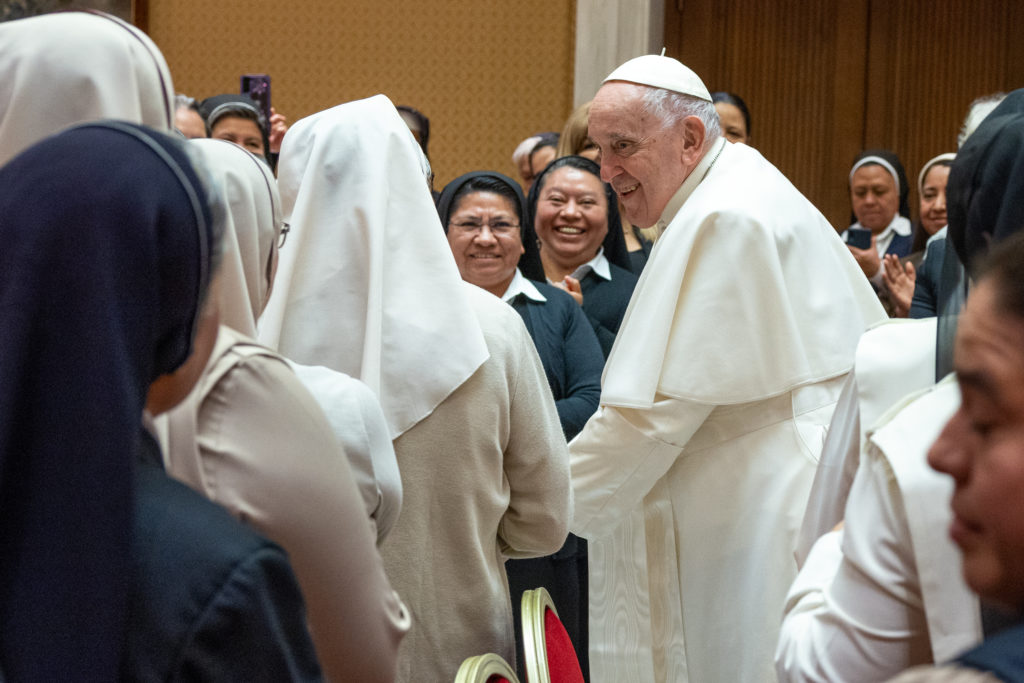
In recent times, Catholic Extension Society had a very strong relationship with Pope Francis. He was particularly invested in our work to rebuild hundreds of Catholic churches and schools damaged in Hurricane Maria in Puerto Rico.
When we met him with a delegation of Catholic Extension during a private audience in 2023, he not only thanked us for our work, but urged us to continue on.
Our new American pope
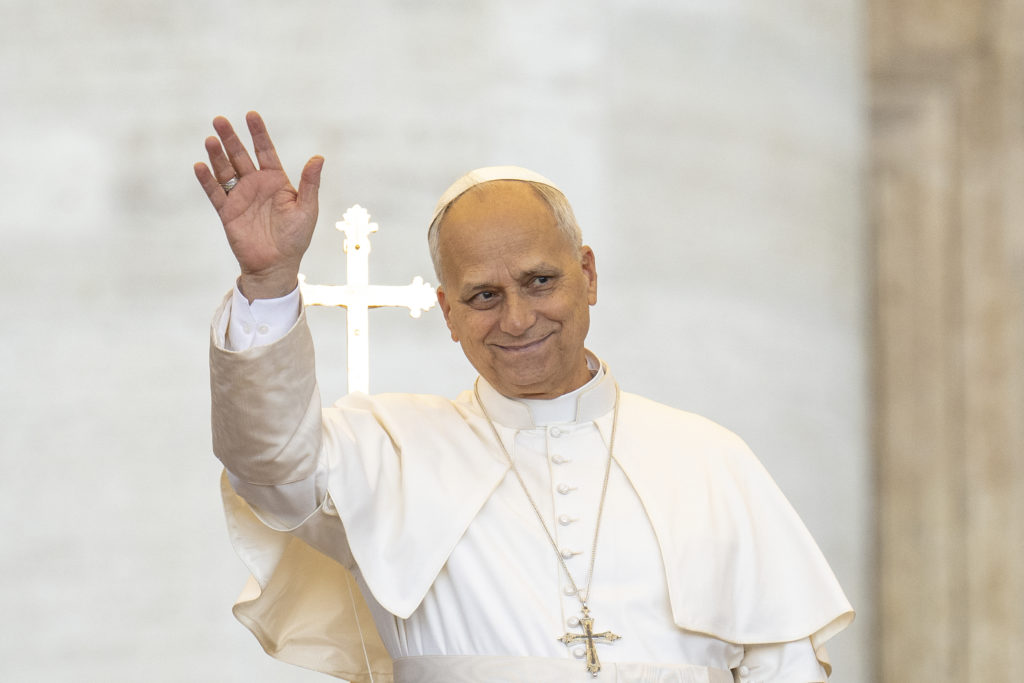
Finally, it is an energizing time in the American Catholic Church, in which an American has become shepherd of us all: a missionary bishop who came from a working-class community in Chicago’s South Suburbs.
Following the publication of Pope Leo XIV’s first encyclical “Dilexi te,” we know that our mission is closely aligned with the new Holy Father’s vision of a Church for the poor, including the poor in our own country.
Investing in young leaders
Catholic Extension Society’s president, Father Jack Wall, has a saying: “Every great moment in the Church began with young people.”
This includes the young Saints Benedict and Scholastica, or St. Francis and St. Clare, who founded some of the most important institutions in the Church’s 2,000-year history.
We have always looked to the young people not as the “future” of the Church, but as the “now.”
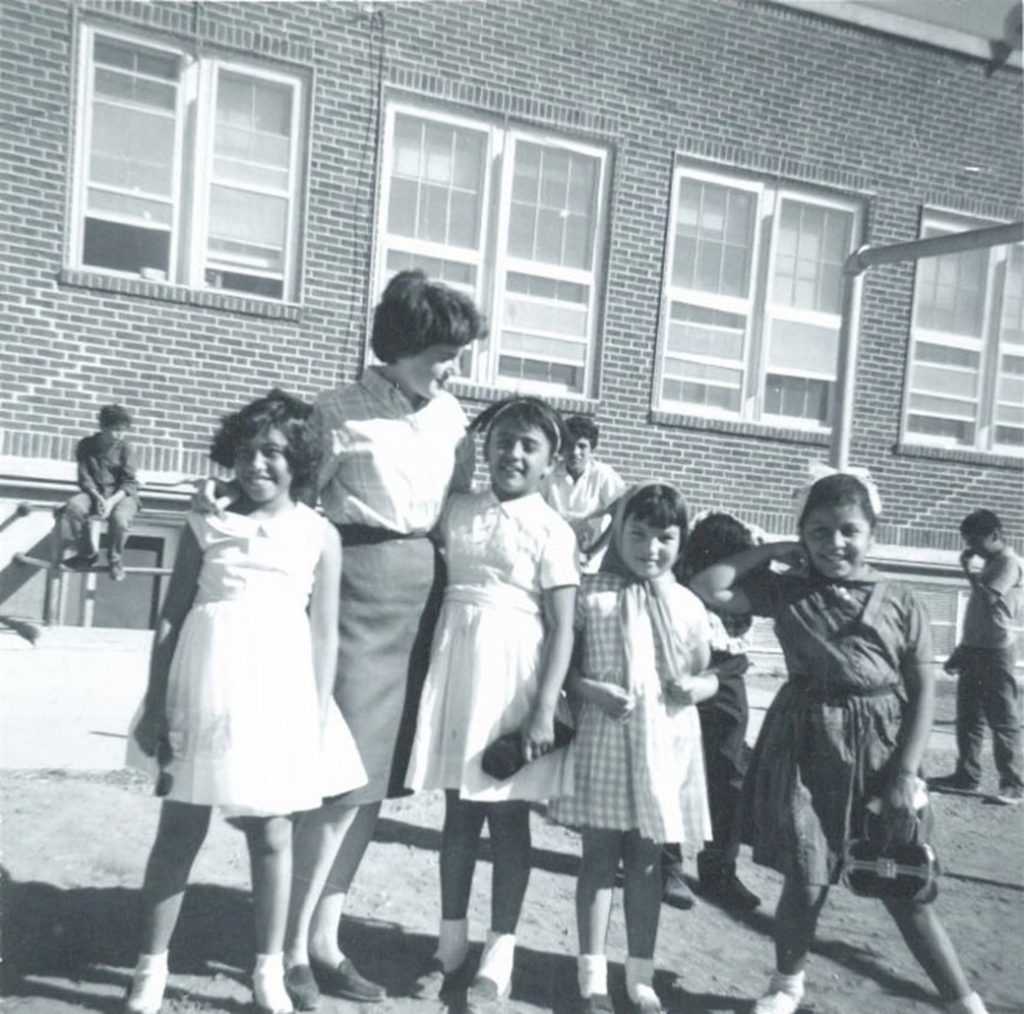
Extension Lay Volunteers deployed to the poorest communities
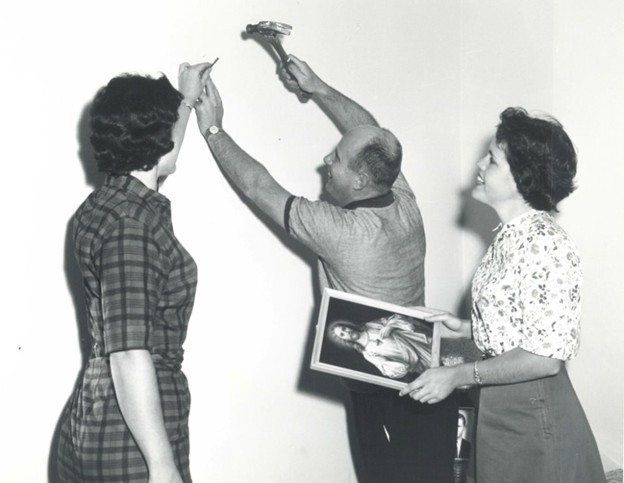
In 1960, Catholic Extension Society began a nationwide program of young Catholic volunteer lay leaders two years before Vatican II commenced.
We received requests from Extension dioceses for help in nursing, teaching, CCD instruction, and parish and social work. This led to consultations with religious leaders and sociologists, who advised that the timing was right for a lay volunteer program focused on mission and poverty areas. In 1961, the first class of Extension Lay Volunteers was recruited, trained, and assigned.
By 1965, when Vatican II concluded, there were 400 Extension volunteers working in 31 dioceses in the United States. Ultimately, 2,000 volunteers dedicated at least one year to serving poor in the 1960s.
Advanced education for young leaders
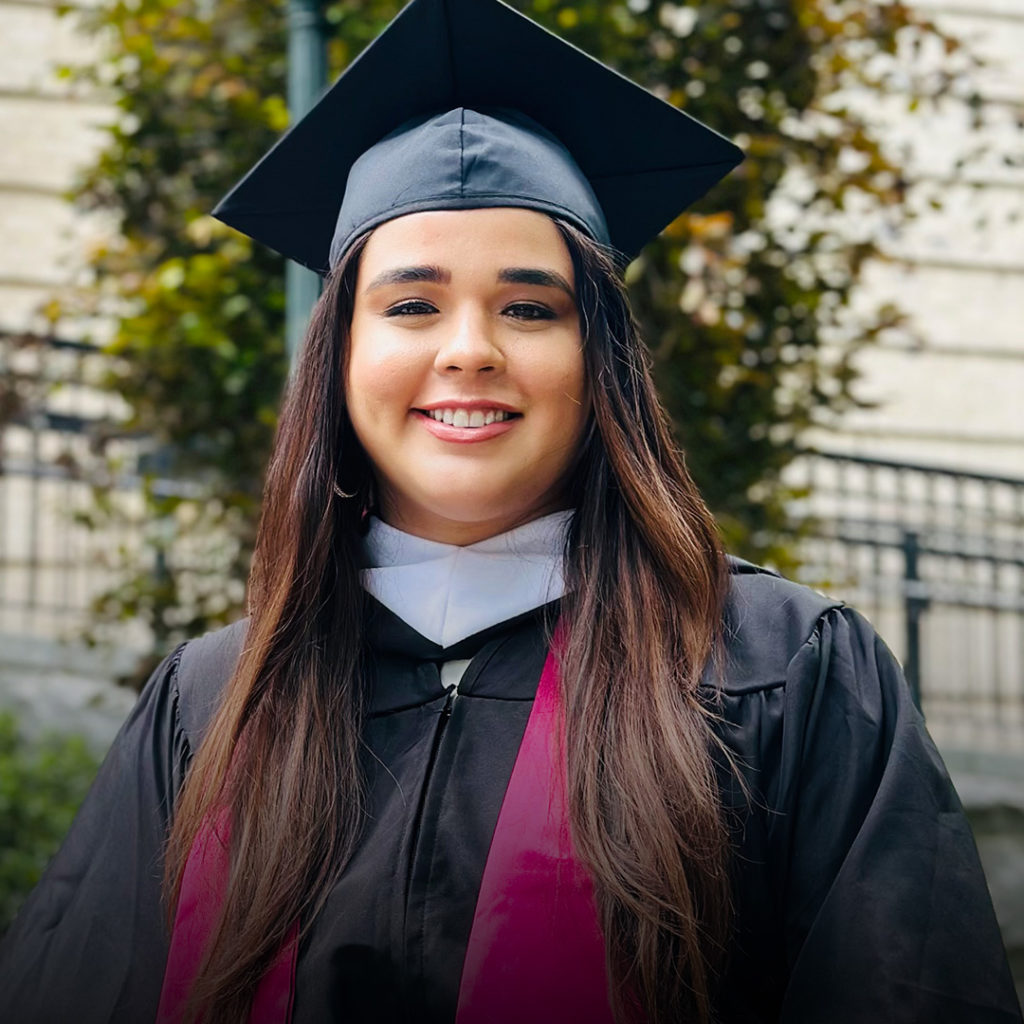
Today, Catholic Extension Society supports the ministry and education of hundreds of local lay leaders. In addition to funding locally based lay leadership programs in diverse dioceses throughout the country, we also provide scholarships for degree and certificate programs offered by various Catholic universities to enhance the professional, pastoral and theological knowledge of those who lead Church ministries.
For example, Valeria Flores graduated with a master’s degree in religious education from Fordham University to serve the growing, young Catholic communities in central Washington.
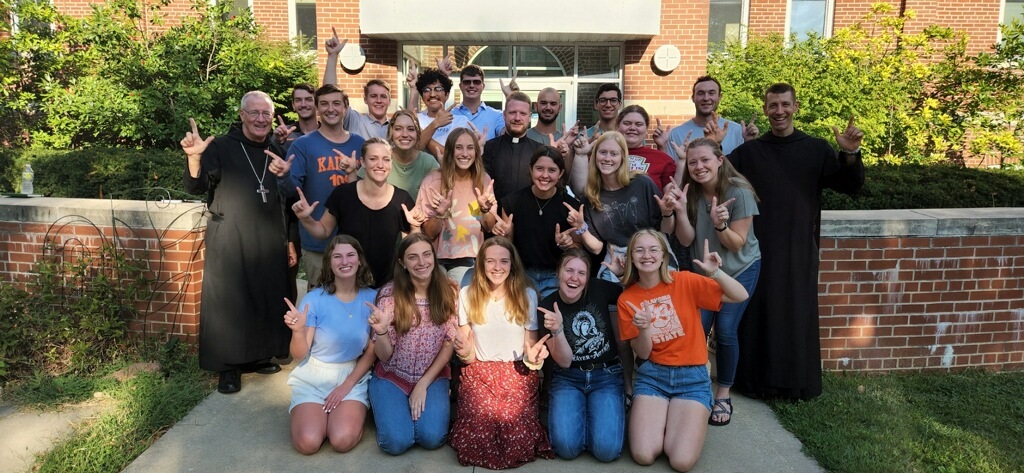
Additionally, Catholic Extension Society recognizes that college campuses ministries are essential in helping young people discover their faith and what they are called to do with it.
In the last decade we have supported more than 140 college campus ministries in over 50 dioceses, including St. John Catholic Student Center at Oklahoma State, pictured below.
Planting seeds
It is impossible to calculate the impact of the millions of young American Catholics who have been influenced by Catholic Extension Society’s support.
We are constantly uncovering the fruits of seeds that we planted decades ago.
For example, Bishop Archbishop Joe. S. Vásquez of the Archdiocese of Galveston-Houston grew up in an Extension-built church in rural Texas. Later, we supported his seminarian education, and he pastored three different churches that received support from Catholic Extension Society.
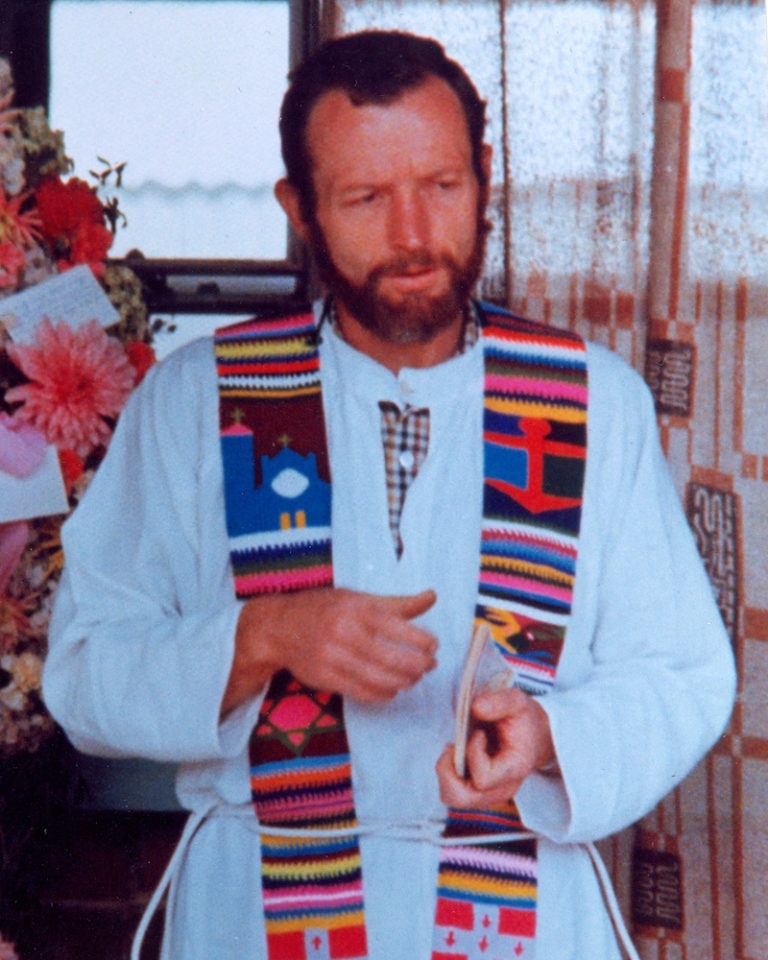
We even have connections to American saints and Catholic heroes, like Blessed Stanley Rother, the first U.S. priest to die as a martyr.
We funded his seminarian education as a young man in Oklahoma. As a priest he worked as a missionary in Guatemala before his death in 1981. He was beatified by Pope Francis in 2017.
For 120 years, Catholic Extension Society has invested in the youth in America’s poorest regions, unleashing their potential to pass on faith, values and goodness to a new generation.
Looking forward
As our president, Father Jack Wall, wrote, “The true power of Catholic Extension Society is that we bring sustained and unrelenting attention to issues and areas of the country people have long forgotten about, or perhaps never even heard of. We think long-term. And when we do our job well, families, communities, and the country are transformed. The true reason we’ve endured so long is because our work really matters.”
Catholic Extension Society works in solidarity with people to build up vibrant and transformative Catholic faith communities among the poor in the poorest regions of America. Please support our mission by donating today!
Header image: St. John Capistran Church in Amherst Nebraska, built with support from Catholic Extension Society in 1914, and a Catholic Extension Society-supported church in Lumberton, New Mexico.