
Among all the analysis of the first year of Pope Leo XIV’s pontificate, there has been one particularly powerful and consistent theme that has not yet gained mainstream attention.
The Holy Father keeps reminding us that everyone (with no exceptions) has the power to make a difference in this world. In his newly released papal encyclical, “Magnifica humanitas,” he assured us that “no one is without responsibility” to do their part, even if we think “the problems are too big and we are too small, and that our choices, therefore, cannot make a difference” (212).
We are called to be full, active and conscious participants in building God’s kingdom and writing our own history accordingly. One of the ways the Holy Father has encouraged engagement is by sharing our resources to help bring about change.
Rather than advocating for specific causes, he has been promoting giving itself, believing that we are equally transformed through the act of generosity as the people and organizations we donate to.
In his first encyclical, Dilexi te, “On Love for the Poor,” he encouraged the faithful not to outsource the act of giving exclusively to governments, or organizations with significant economic capacity. Instead, every Christian needs to experience the power of giving.
Almsgiving offers us a chance to halt before the poor, to look into their eyes, to touch them and share something of ourselves with them” (116).
Giving leads to peace
He knows that giving can inoculate us against the contagion of cynicism and indifference that breaks our world apart and shatters peace. For when we give, we recognize the personhood of those to whom we give. This itself is transformative because giving is an outward act that serves to humanize others.
One of the major priorities of Pope Leo’s pontificate has been to sow peace. But he knows well the adage inspired by Saint Augustine that to build peace we need justice. And building a just world requires championing human development and investments that create new opportunities for the disadvantaged and excluded of our society.
Addressing members of the Papal Foundation, a U.S. organization of major gift donors contributing to papal-sponsored projects in the developing world, Pope Leo said that their generosity “is a sure way to encourage concord among communities and individuals” in our violent, volatile world.
As the pope begins his pastoral trips, some people were perplexed by his visit on March 28, 2026, to Monaco, a European principality known as a tax haven for the ultra-wealthy. However, there he offered these powerful words:
“Every good placed in our hands … bears an intrinsic need not to be held back, but to be shared, so that everyone’s life may be better.”
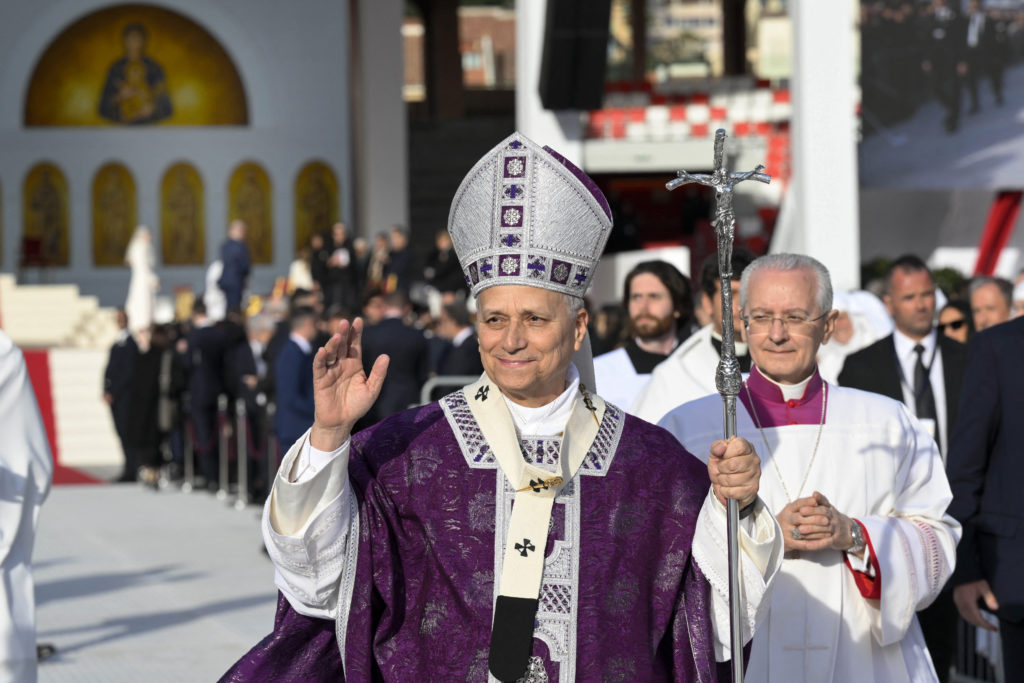
He was reminding that particular audience that everything we have in life is ultimately a gift from God and is meant to be shared freely and generously.
The poor are the most generous
Some of the most generous givers are the poor. For in the words of Jesus in Luke’s Gospel upon witnessing the donation of the poor widow he says, “All these people gave their gifts out of their wealth; but she out of her poverty put in all she had to live on.”
We see this type of generosity on display in a very poor Catholic mission seeking to build a new church in rural Sandhill, Georgia. For 20 years they have worshipped in a rundown trailer. Now they are close to achieving their dream of a new church, as a legacy of love to their children thanks to the small donations of so many.

Catholic Extension Society offered them a matching challenge to help them reach their funding goal. The community has held food sales, raffles, and soccer tournaments in support of the project. A recent church raffle flier we obtained indicated that they were raffling off as a “top prize” a 2013 Nissan sedan. This 13-year-old car donated by a parishioner was truly the widow’s mite, offered to the church with pure love.

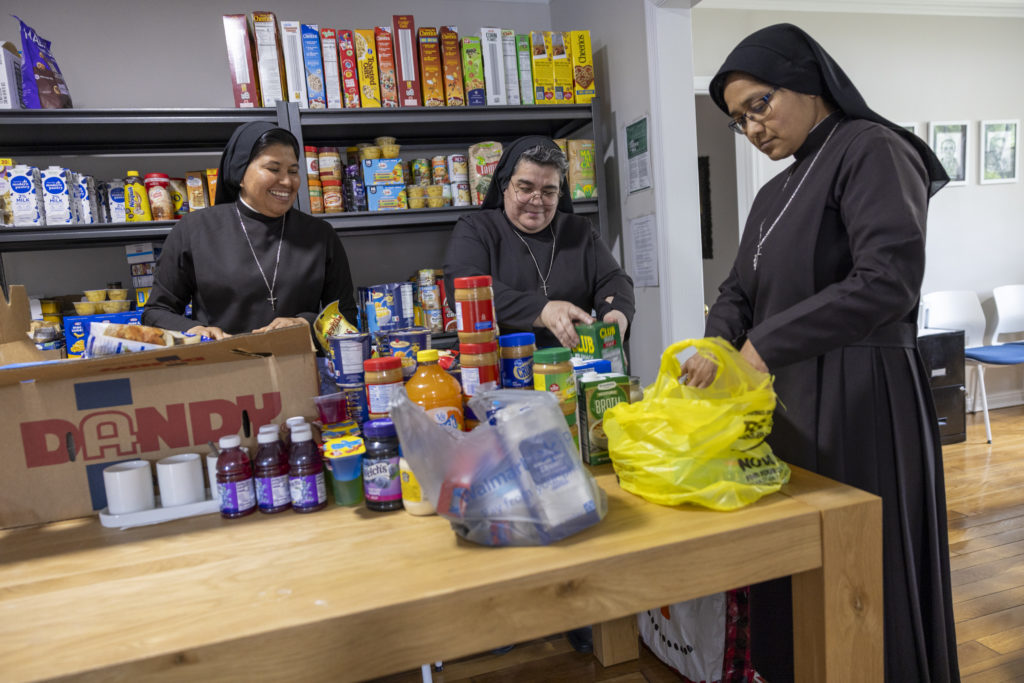
Sixty miles away, another mission church—Our Lady of Lourdes Parish in Port Wentworth—converted an adjacent building into a pantry serving about 50 mostly immigrant families each month with food, clothes and diapers. Up to 90% are parishioners, many facing reduced work hours or unemployment. The pantry began last year when that same immigrant community started collecting canned goods for struggling neighbors.
Today, parishioners of all ages, with the support of Franciscan Sisters of Jesus Crucified, help keep this initiative running.
As their pastor said, his people are “never afraid of being overly generous.” Even though they are poor and may be experiencing similar hardships, they feel a shared obligation to be there for each other.
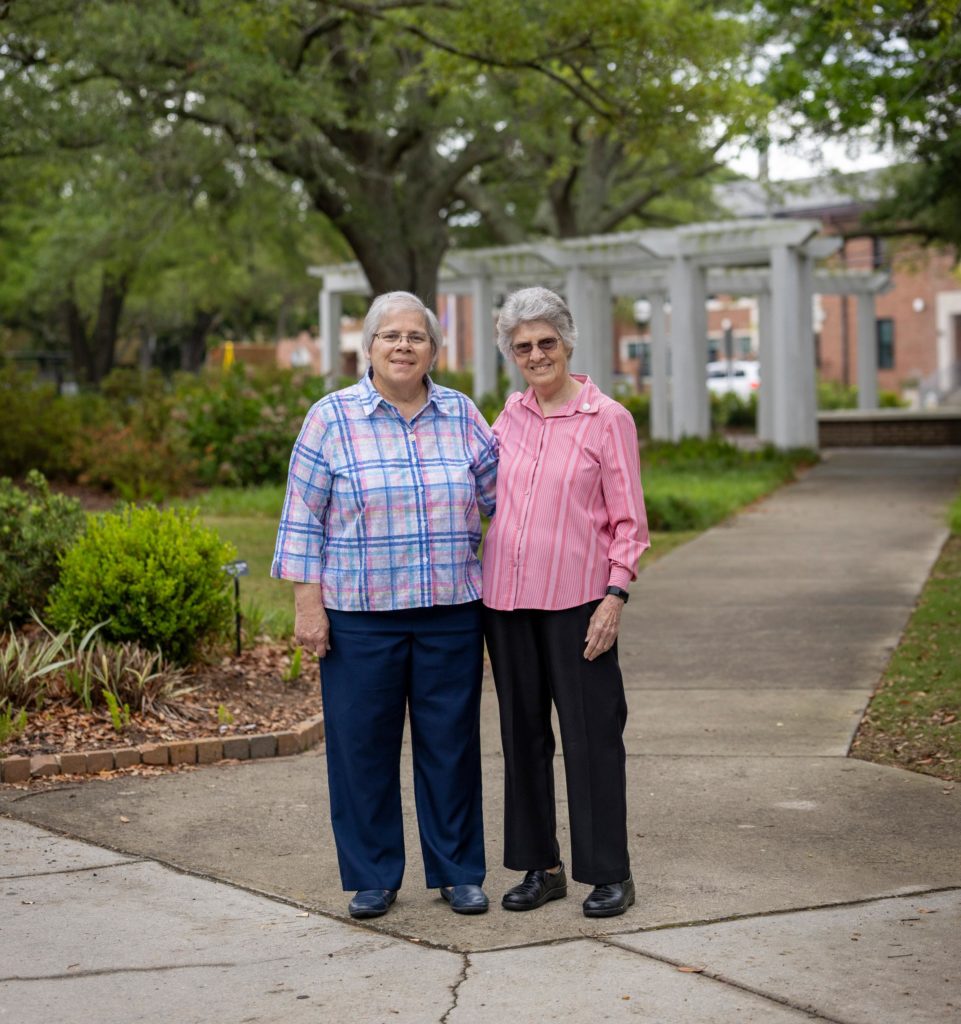
In South Carolina, the Sisters of Charity of Our Lady of Mercy are preparing to conclude their 200-year stretch of active ministry in the Diocese of Charleston’s marginalized communities with a poetic and generous exclamation point: they are making a legacy gift to Catholic Extension Society.
Pope Leo is right. Seeing and experiencing this profound level of generosity changes us, and he is inviting all of us to follow suit, no matter what level we are capable of giving. The act of giving itself reorients our hearts toward the good of others.
Catholic Extension Society is a papal society founded in 1905. Our mission is to work in solidarity with people to build up vibrant and transformative Catholic faith communities among the poor in the poorest regions of America. Please support our mission today!
Pope Leo XIV images credit: Maria Grazia Picciarella/Sipa USA via AP