

Lent is a special season of reflection, prayer and sacrifice. We would like to invite you to add something to your spiritual repertoire this year. As you abstain from meat on Fridays, you can also connect with Catholics across generations and cultures.
This year, we published a digital collection of meatless Lenten recipes for you to savor, shared by people in the diverse Catholic communities we support across the United States. Each dish tells a story of faith, tradition and the rich diversity of Catholic life in this country. Here is the story behind one dish from the Upper Peninsula of Michigan to get you started: the revered “pasty” (pronounced PASS-tee).
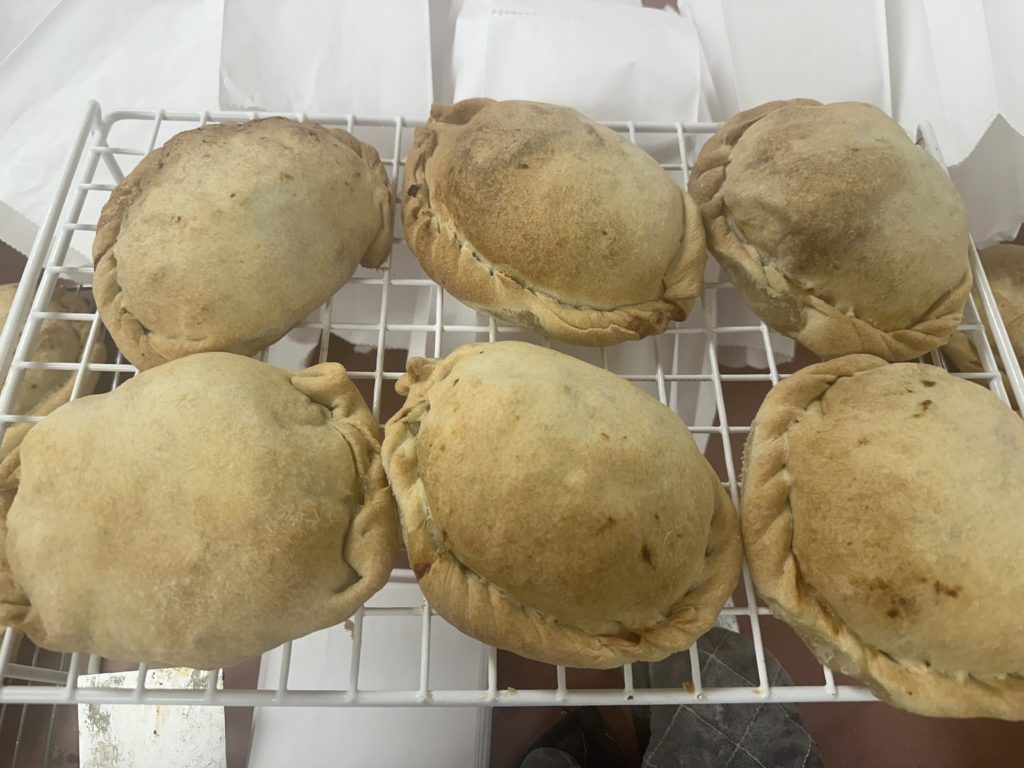
Pasties hold deep cultural significance for Upper Peninsula locals. These hand-held pies were brought by Cornish miners, pictured below, who came to work in the region’s copper mines in the 1800s. The portable and hearty food sustained them through their arduous labor, and the tradition was handed on to new waves of immigrant laborers who worked in the mines and in logging, including the Poles, Italians, Swedes, Germans and French—each group adopting the recipe with different ingredients.

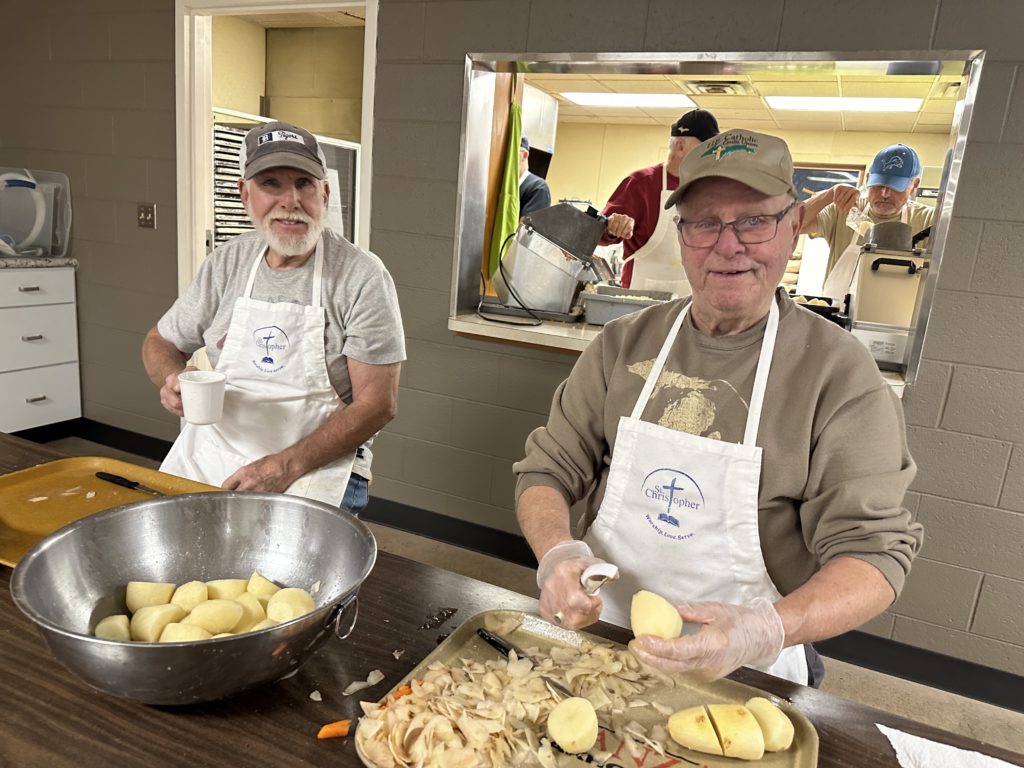
Parishioners at St. Christopher Church in Marquette look forward to the parish’s pasty sales every year. Held inside their parish hall five times a year, these fundraisers have been a cherished tradition since the 1960s, drawing people from across Marquette through their shared appreciation for the pasty’s heritage.
The pasties are produced by retired parishioners, younger families with kids, and a dedicated group of Filipino sisters from the Sisters of St. Paul de Chartres congregation. These sisters have served the diocese since arriving in 1963.
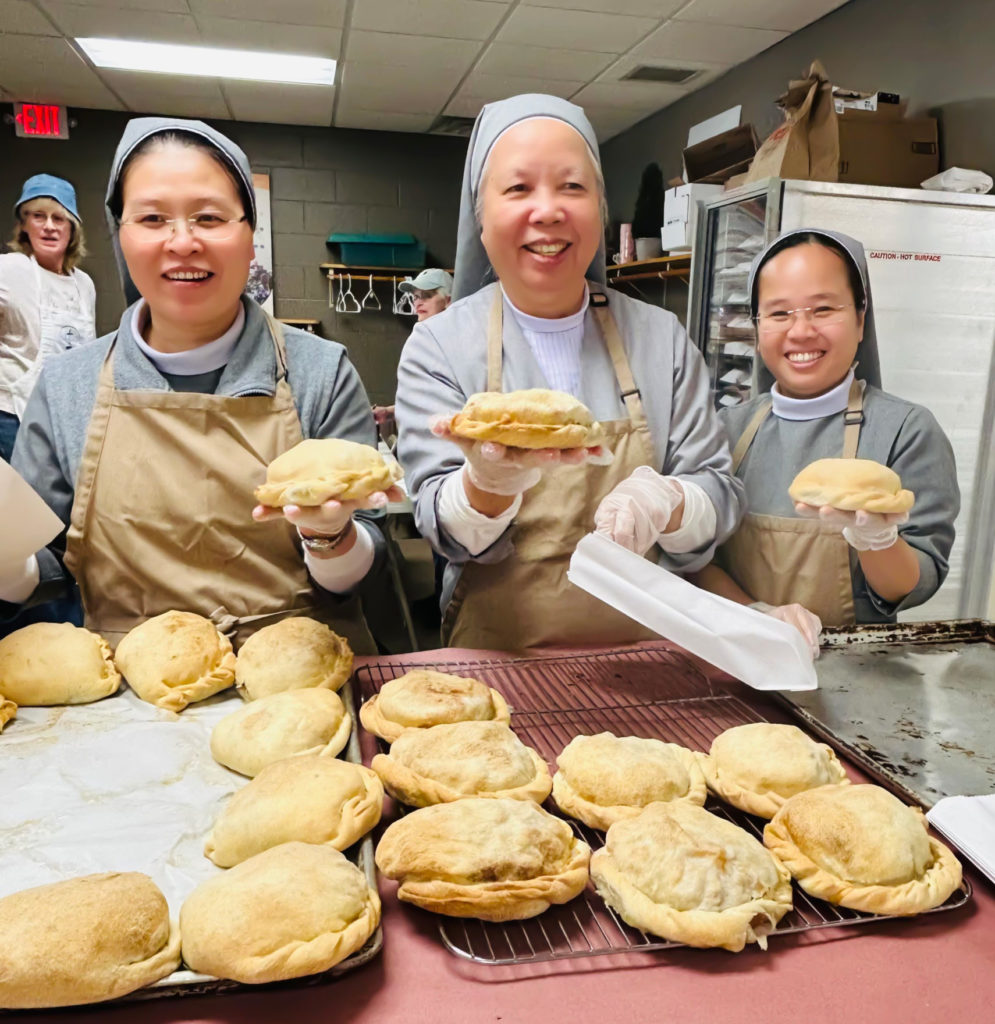
Together, the parish yields over 1,200 pasties during each sale.
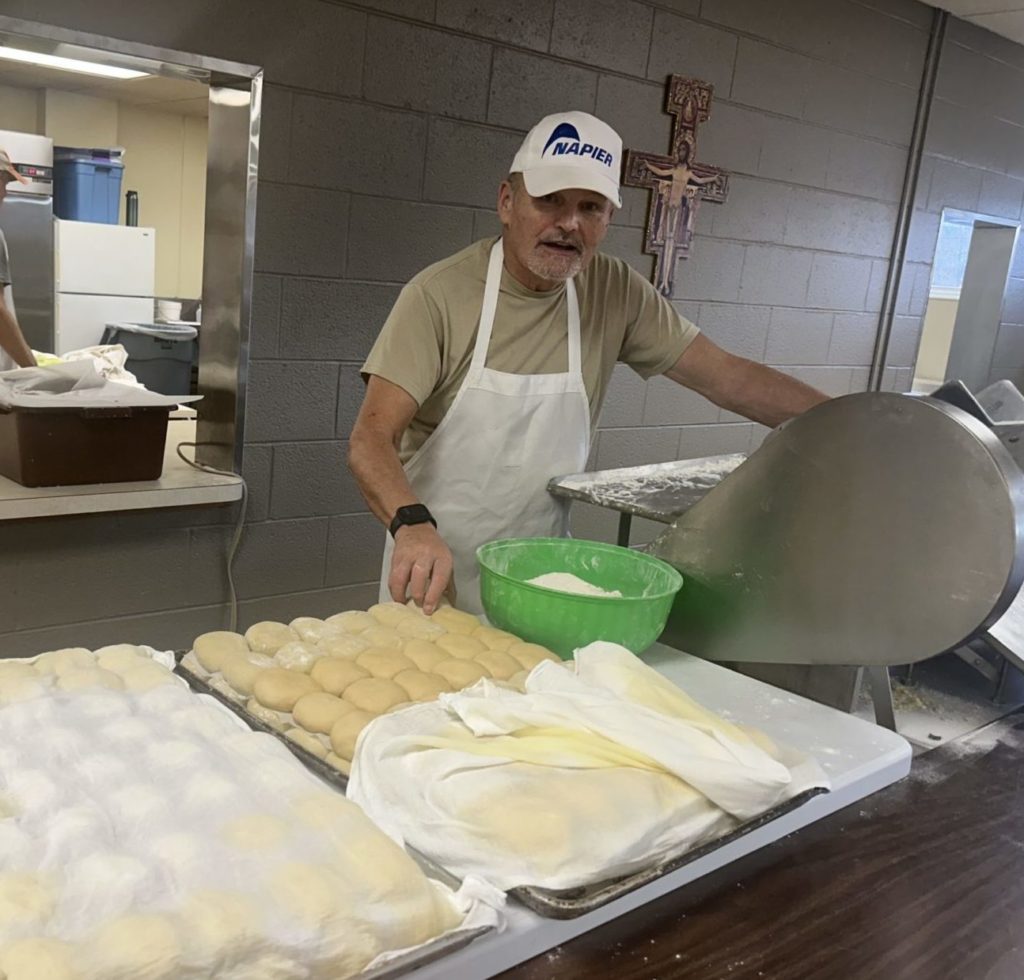
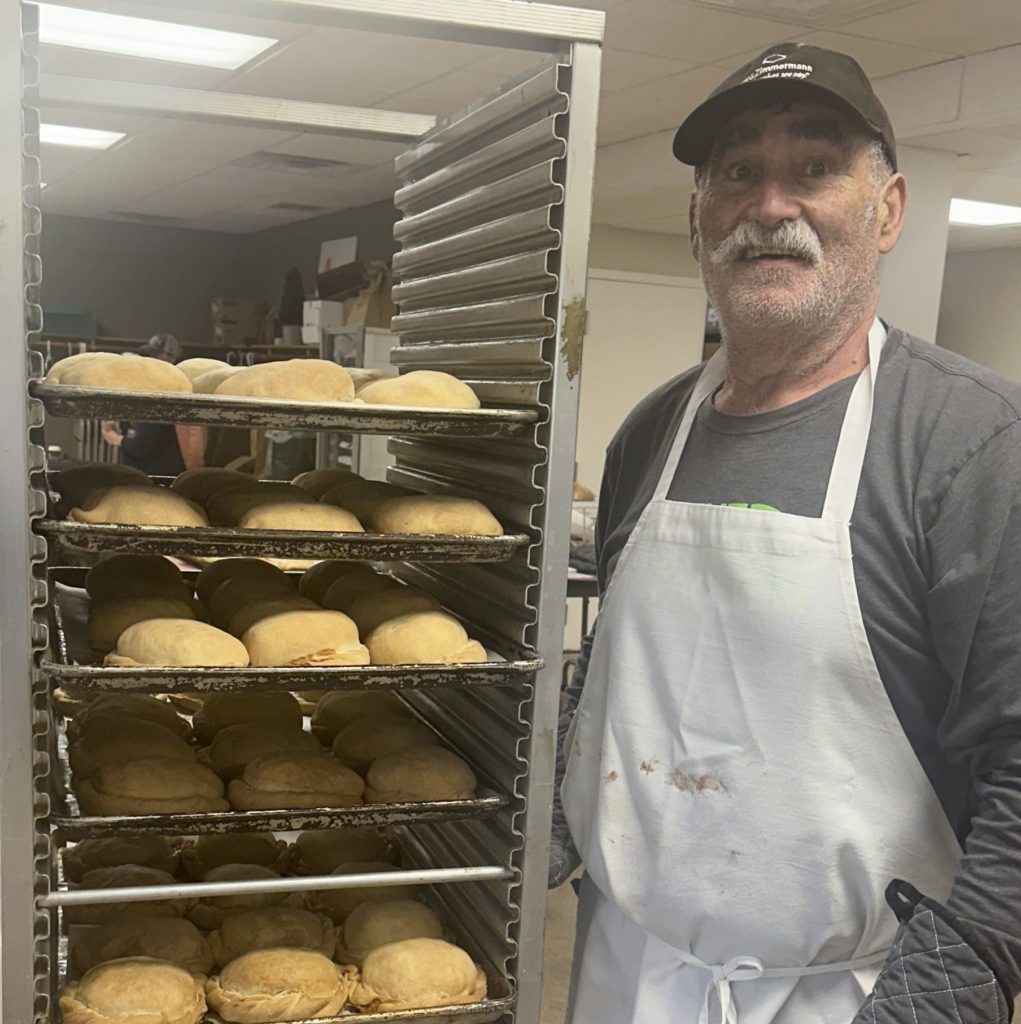
They typically fill them with potatoes, rutabaga or turnip, onions, carrots, and meat, which can be removed from the recipe—perfect for Lent! For added flavor, they top pasties with ketchup or gravy. Proceeds help support the parish.
Pasties are an homage to the working class who helped give shape to this region, and they are a symbol of community identity.
Make your Lenten Fridays memorable by making your own vegetable pasties or other meatless meals that add new flavors, traditions, and foster togetherness. Download our digital cookbook: catholicextension.org/recipes26. Happy cooking!